




How to Plan a Complete Fitted Bedroom
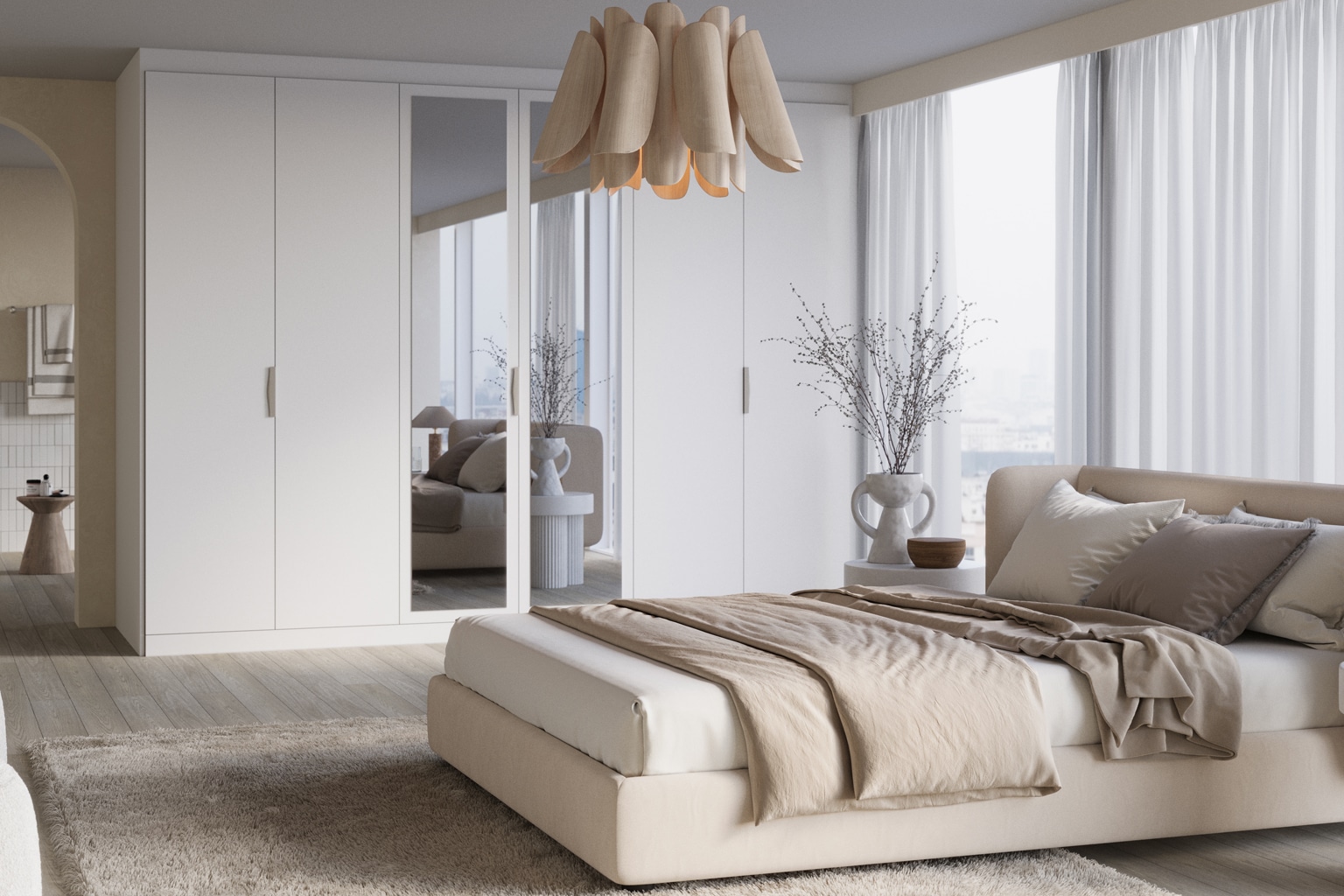
A complete fitted bedroom brings wardrobes, drawers, bedside storage and any dressing area into one considered layout. It can include as much or as little fitted furniture as you need. The important part is deciding how the whole room will work before choosing each piece, so that extra storage leaves you with a bedroom you enjoy using.
Perhaps your wardrobe is full, but the chest of drawers takes up the only clear wall or your bedside tables fit neatly, until you try to open the wardrobe doors. Planning everything together helps resolve those small frustrations before they become part of a new room.
Decide What the New Bedroom Needs to Change
Begin with what currently gets in the way. If clothes collect on a chair, do you need more hanging space, somewhere for folded clothing or a place for items you will wear again? Those are all different storage problems.
Think beyond clothing too; spare bedding, a hairdryer, jewellery and books may all need a home. A dressing table might be useful, but only if you have somewhere comfortable to sit and room to put things away afterwards.
Our fitted bedrooms are designed around the room and the furniture you need, rather than providing a fixed bedroom set – you can start with your practical priorities and build the fitted bedroom design from there.
Set the Bed Position Before the Furniture Layout
The bed usually determines the main routes around the bedroom, so confirm whether you’re keeping it, moving it or buying a different one, before finalising the storage. Measure your bed frame and headboard, rather than relying on the mattress size and include any part of it that projects beyond the main frame. If your bed has drawers, show how far they open; if it lifts for storage, consider how you’ll be able to open it easily.
A larger wardrobe on paper may actually be less useful if it leaves you squeezing past the foot of the bed. Equally, a slightly different bed position could make room for a much better storage arrangement.



Give Each Piece of Furniture a Clear Purpose
Wardrobes do not have to contain hanging space alone. Adding drawers inside them may reduce the need for a separate chest, whilst a fitted dressing table can bring smaller everyday items together.
Use this simple starting list when discussing your fitted bedroom furniture:
- Wardrobes for hanging clothes, folded items and anything you want concealed;
- Drawers for clothing or accessories that would be awkward on open shelves;
- Bedside storage for the things you need within reach at night;
- A dressing area if you regularly need a mirror, a seat and a surface together;
- Higher cupboards for suitable belongings you use less often.
You may need only some of these. Adding furniture because it belongs in a matching set can take space away from the pieces you actually use.
Check the Room with Doors and Drawers Open
A floor plan shows where furniture sits. It should also show what happens when you use it… can a wardrobe door open beside the fitted bedside table? Is there somewhere to stand in front of fitted drawers? Can another person reach their side of the bed whilst you’re getting dressed?
Include the bedroom entrance, curtains and any en suite door. The route from the bed to the bathroom deserves just as much attention as the storage wall. Ask to see these relationships in the proposed design, before settling on the layout.
Choose the Interiors Before Signing Off the Outside
A neat frontage is only part of a useful fitted bedroom. Decide where longer garments will hang, how folded clothes will be stored and which belongings need to be easiest to reach.
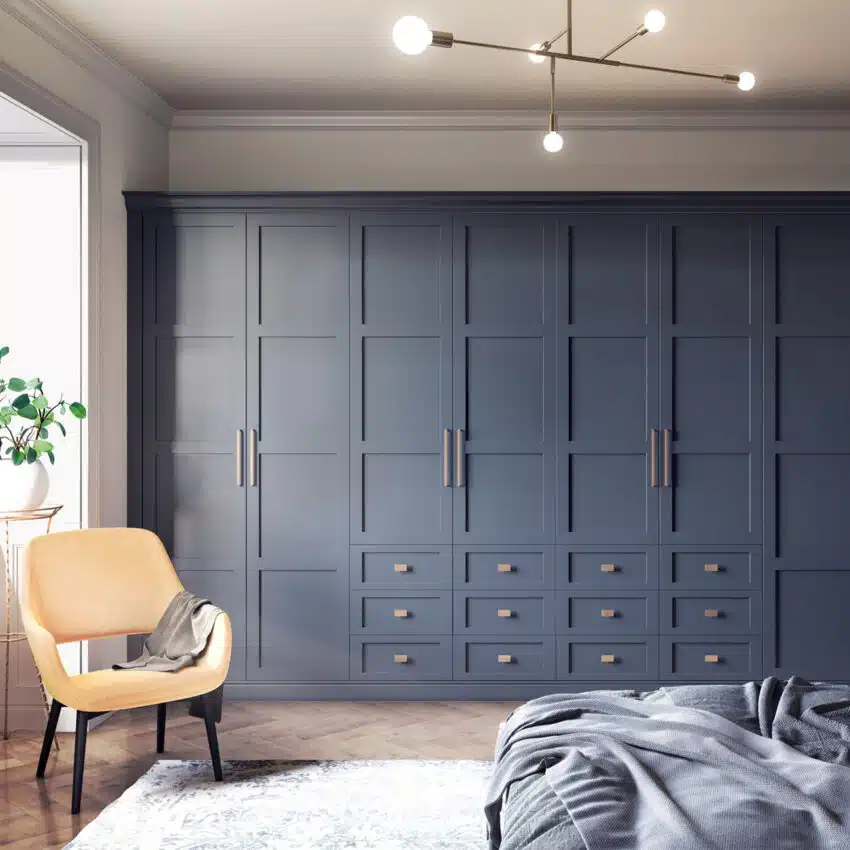
Our intelligent storage options can be discussed alongside the room layout. For example, bringing drawers into the fitted wardrobe changes both its interior and the amount of separate furniture you need elsewhere.
Be bold, be beautiful. Browse our best sellers.
Bring the Finishes Together
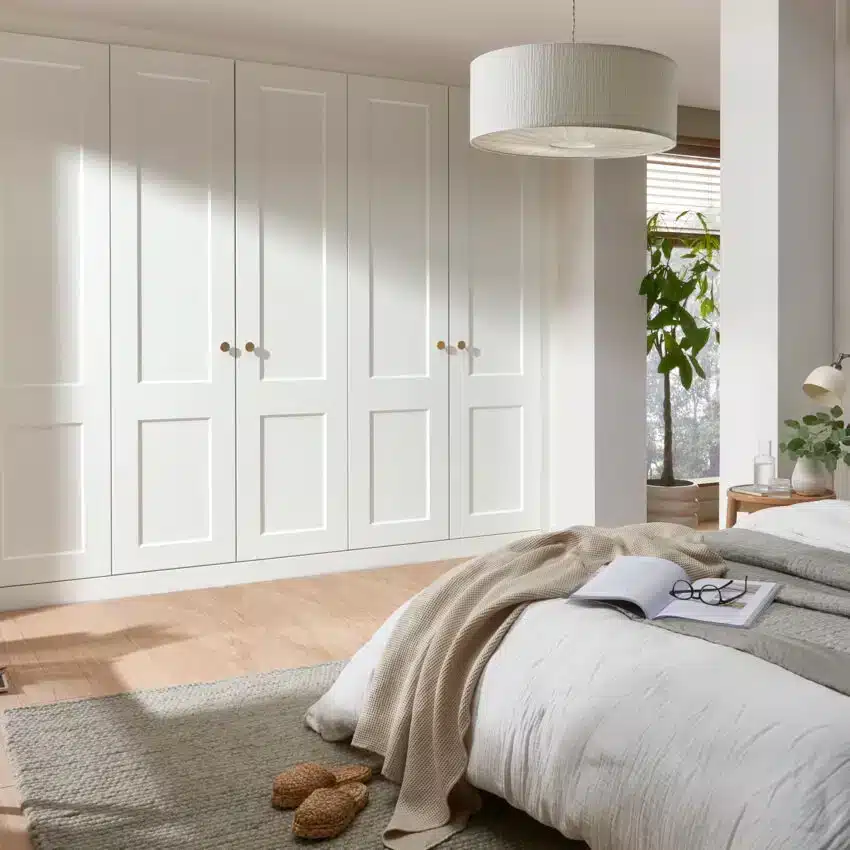
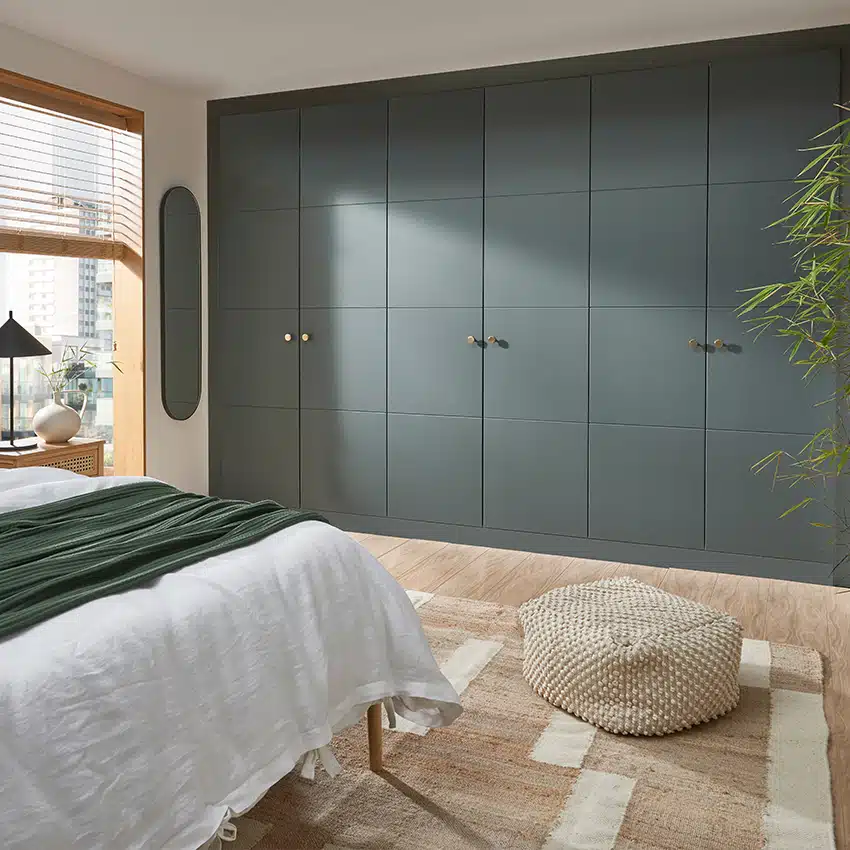
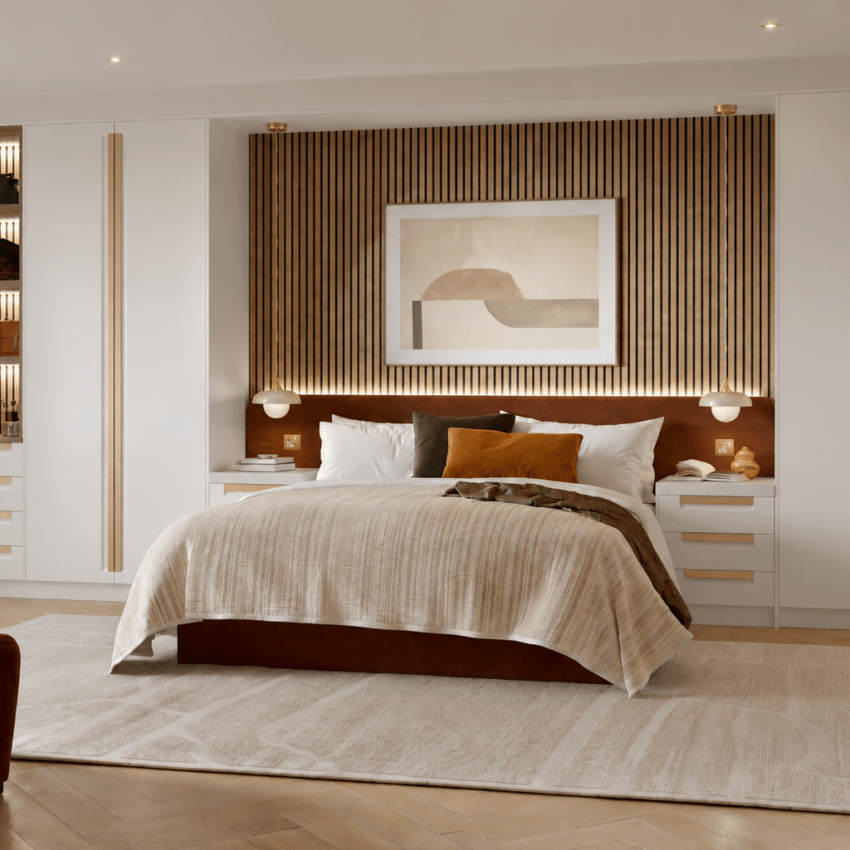
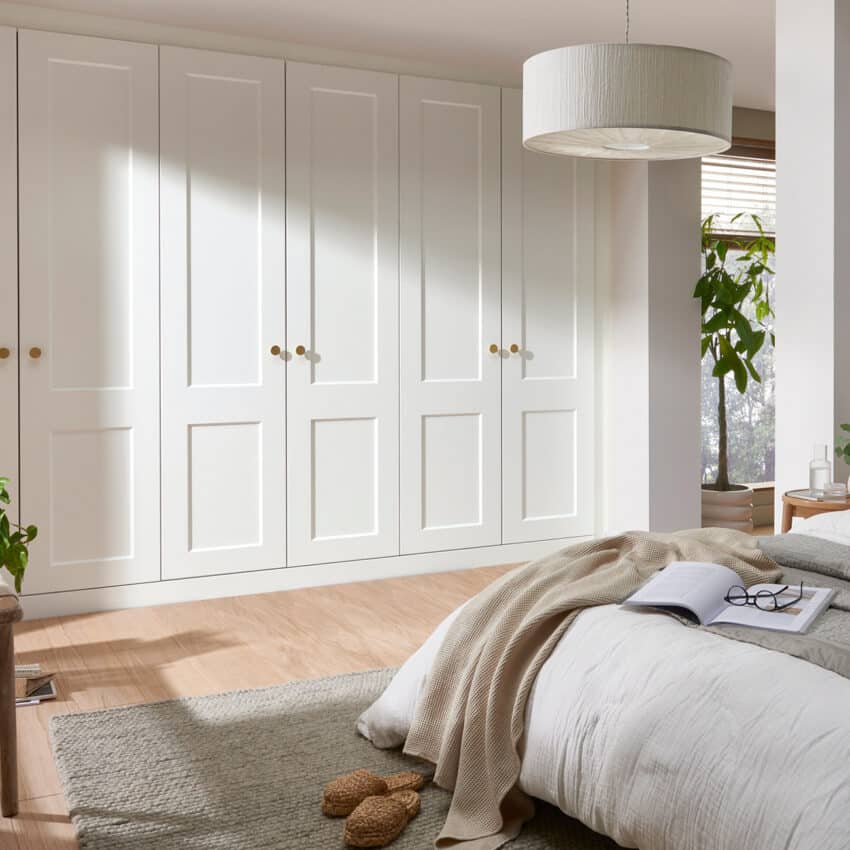
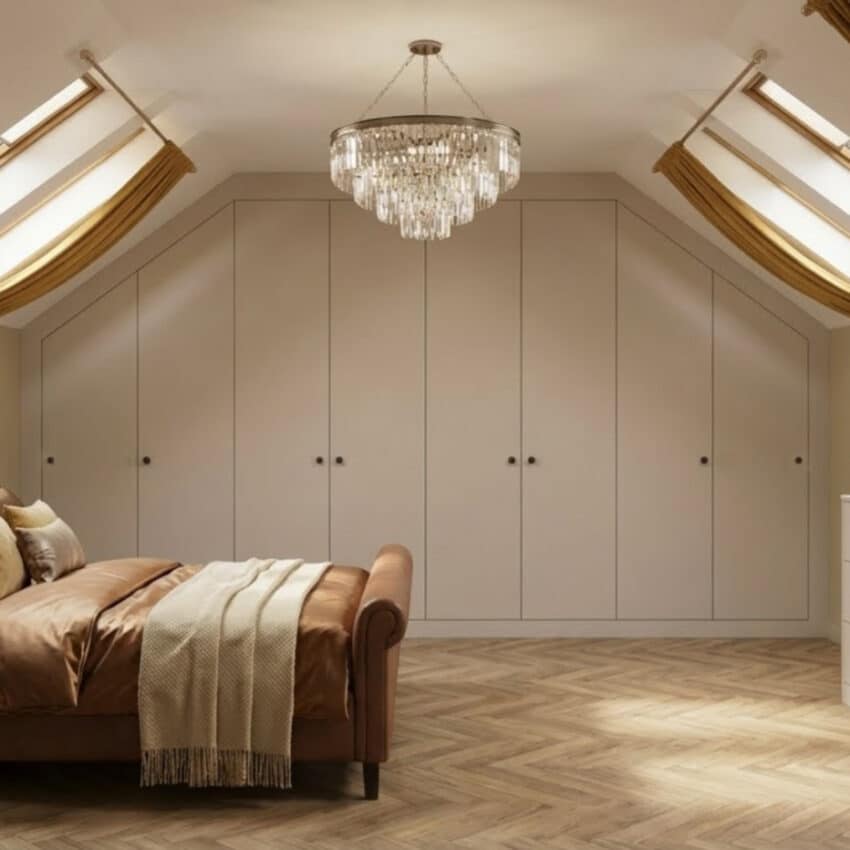
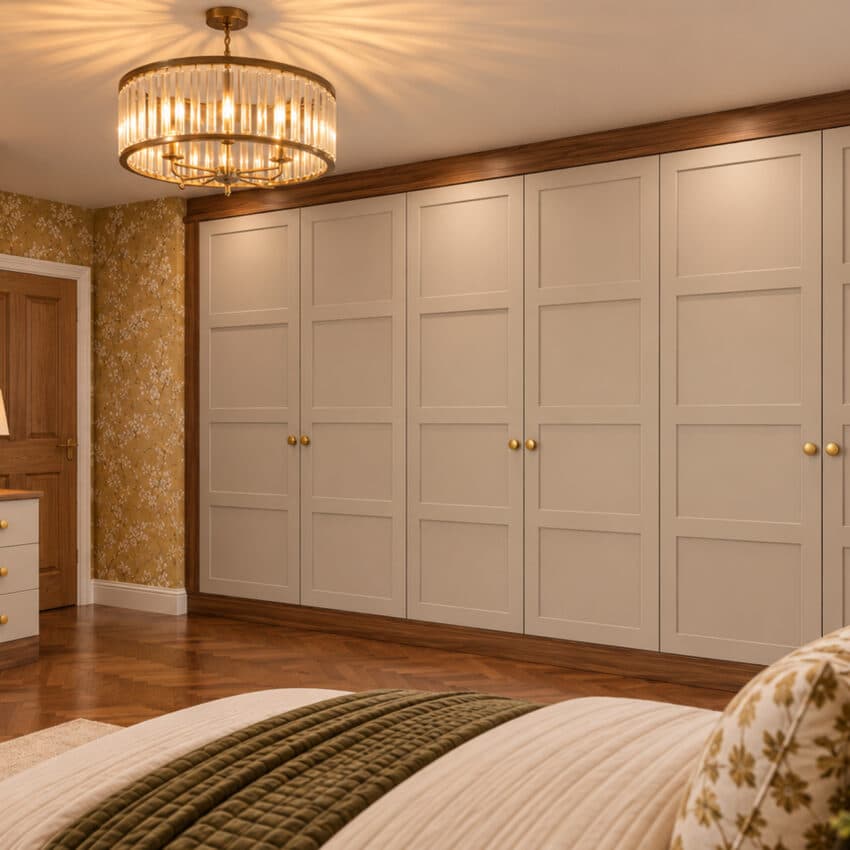
A coordinated room does not have to use the same finish everywhere; wardrobes, bedside furniture and a dressing table can share a door style, whilst a complementary colour gives one part of the room a different feel.
Compare the furniture with things like your flooring, curtains, headboard and wall colour. Large wardrobe doors will have more visual presence than a small bedside drawer, so consider where you want the attention to ultimately fall.
Start with Your Own Room
Book a free home design visit with My Fitted Bedroom to explore a complete layout, with samples and a design showing how the furniture could look in your bedroom space!