







What Is A Built-In Wardrobe?
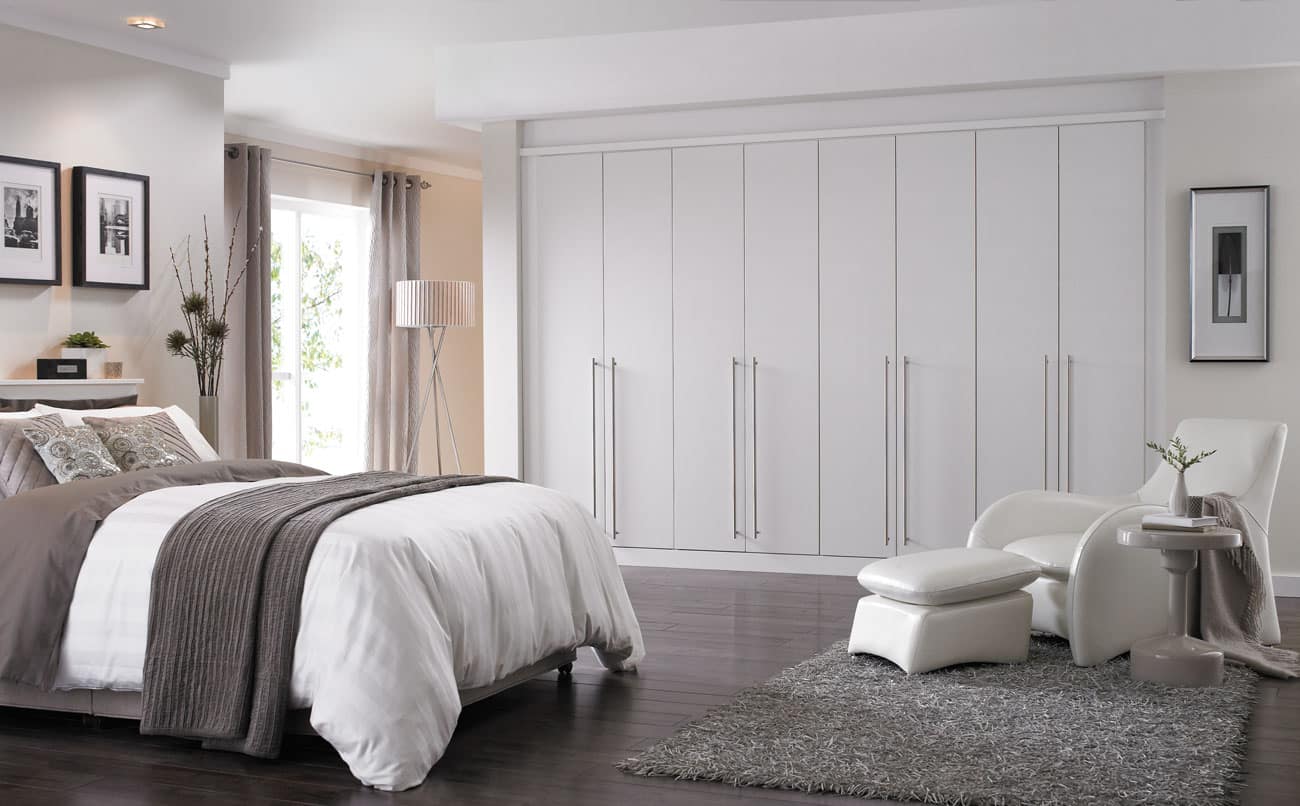
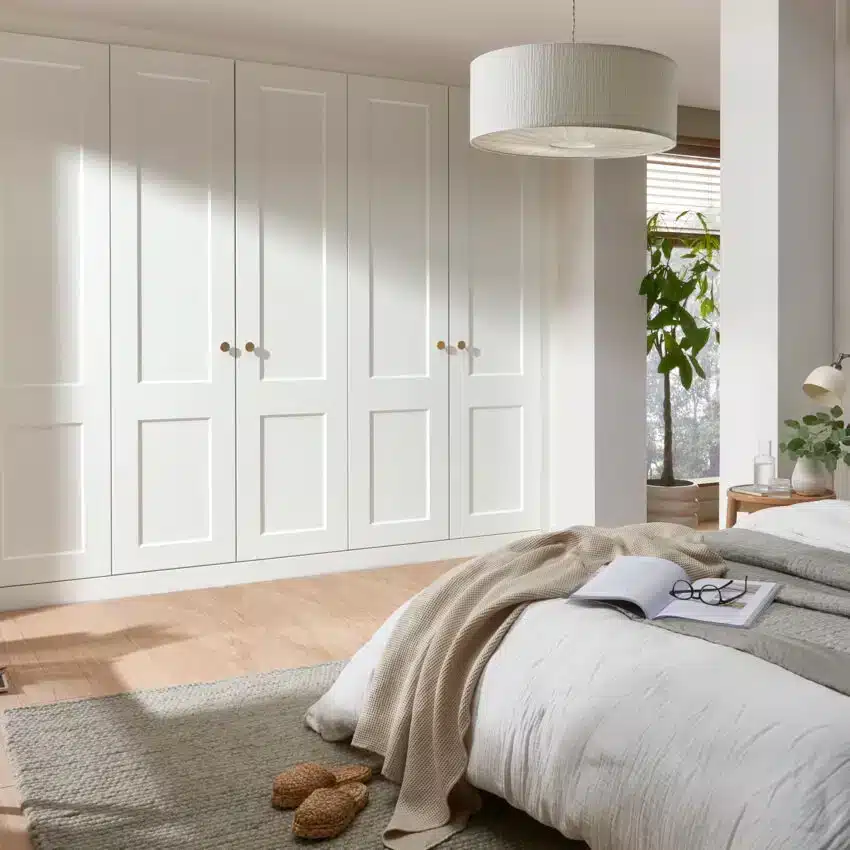
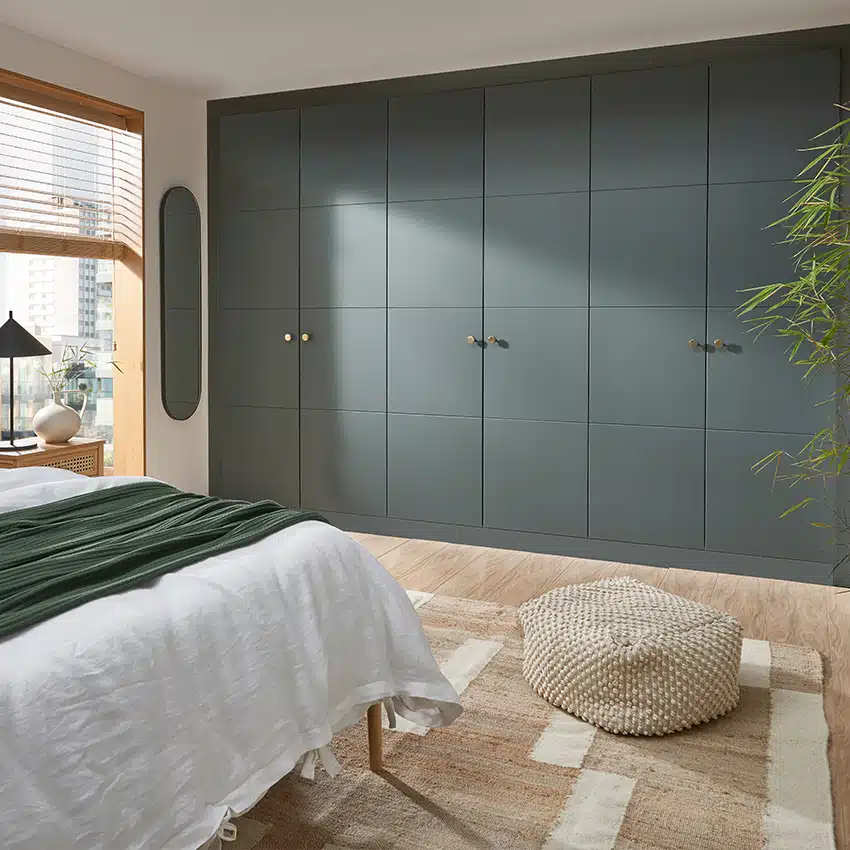
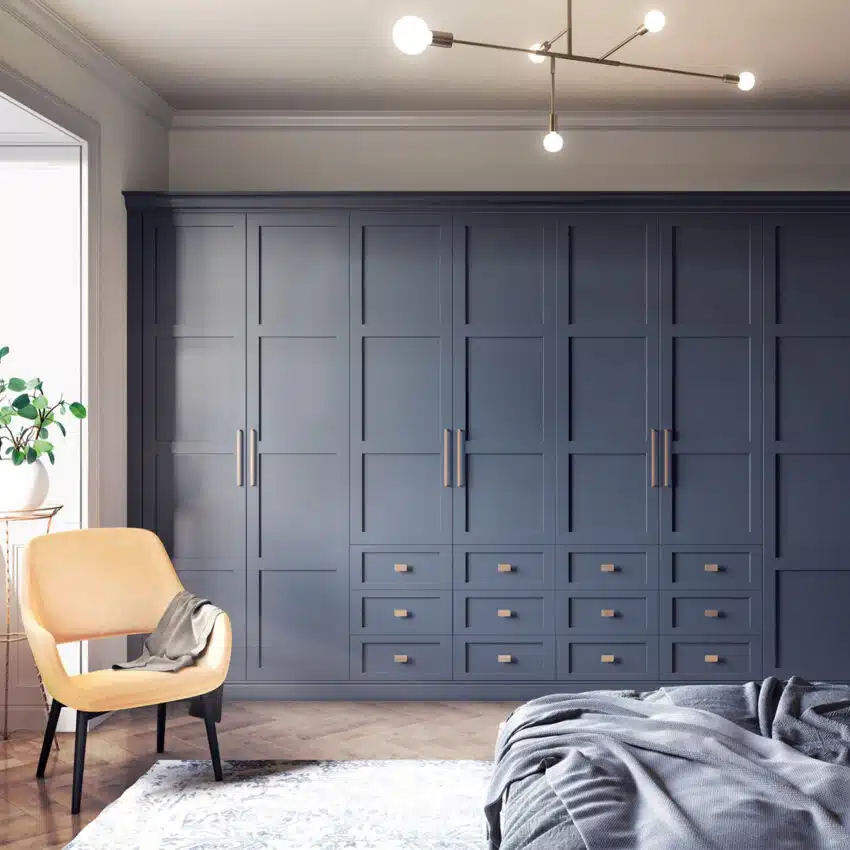
If you’re searching for smart ways to make the most of your bedroom space, you have probably come across the term built-in wardrobe. Also known as fitted wardrobes, these are custom-made storage units that are designed to fit seamlessly into the layout of a bedroom — from wall to wall, floor to ceiling.
But what exactly is a built-in wardrobe, how did this style of furniture develop, and why is it now considered the gold standard in bedroom storage?
In this article, we explore the origins of built-in wardrobes, the construction techniques behind them, how they differ from freestanding options, and why the skill of a professional installer makes all the difference.
The History of Built-In Wardrobes
The concept of built-in furniture dates back further than most people realise. In stately homes and period properties of the 18th and 19th centuries, joiners often built cupboards and shelves directly into the alcoves and recesses of rooms. These early examples weren’t wardrobes in the modern sense, but they laid the groundwork for fitted design.
The wardrobe as we know it — a space to hang clothes and store garments — evolved from chests and armoires. Freestanding wardrobes became widespread during the Victorian era, when mass-produced furniture became more affordable. However, it wasn’t until the post-war housing boom of the mid-20th century that built-in wardrobes really started to gain popularity, particularly in the UK.
By the late 1960’s, 1970s and 1980s, interior designers and homeowners began to see the benefits of using awkward wall spaces and eaves for tailored storage. Rather than being restricted by the dimensions of mass-produced furniture, built-in wardrobes allowed for a completely customised solution. Today, they’ve become a mainstay of modern bedroom design — blending practicality, aesthetics, and long-term value.
What Makes a Wardrobe “Built-In”?
A built-in wardrobe is a custom-fitted piece of furniture designed to fit perfectly into a specific space within a room. It’s usually secured to walls, floors, and ceilings, creating the appearance of a permanent architectural feature rather than a standalone item. Most are made to measure, taking into account the shape of the room, ceiling height, wall angles and imperfections with out-of-square walls, floors and ceilings.
Built-in wardrobes can be fitted along a flat wall, in a corner, around a chimney breast, or even under a sloping ceiling in a loft conversion. Internally, they’re tailored to suit the individual’s needs – whether that’s long hanging space for dresses, deep drawers for jumpers, or open shelving for shoes and bags. More recently forward thinking built-in wardrobe specialists have started to bring more technology into their wardrobe interiors including automatic lighting, pop-up sockets and hidden compartments for discreet storage.
The term “fitted wardrobe” is often used interchangeably, although technically, “built-in” refers more specifically to wardrobes that are integrated into the architecture of the room and not designed to be moved or relocated.
Built-in Wardrobes
- Positioning : Fixed to the wall
- Fit : Made to measure to fill the space
- Finish : Seamless, custom-finished
- Storage Capacity : Maximises every inch of space
- Mobility : Not movable
- Installation : Requires professional fitting
Freestanding Wardrobes
- Positioning : Stands independently
- Fit : Comes in standard sizes
- Finish : Gaps can exist at the top, sides or back
- Storage Capacity : Often wasted space above or to the sides
- Mobility : Can be moved to a different room
- Installation : Usually flat-pack or pre-built
How Are Built-In Wardrobes Constructed?
While the exterior doors and finishes get the most attention, the real craftsmanship lies beneath behind the doors. Here’s a quick overview of what goes into the construction of a high-quality built-in wardrobe:
- Survey and Design
It all begins with a site survey. Measurements are taken with precision, accounting for skirting boards, ceiling levels, plug sockets, and any quirks in the walls. A designer will then create a layout tailored to your storage needs and aesthetic preferences. - Frame and Cabinet Construction
Unlike flat-pack furniture, built-in wardrobes typically use a rigid cabinet system (a structural framework) or are constructed with floor-to-ceiling panels and wall-mounted rails. The interiors are usually made from melamine-faced chipboard (MFC). - Door Styles and Finishes
Sliding doors, hinged doors, mirrored panels, or shaker-style finishes – the front of a built-in wardrobe can be fully customised to match the room’s décor. Soft-close hinges, handleless push to open options, and integrated lighting are common upgrades. - Sealing and Finishing
Once installed, the wardrobe or filler trims are carefully scribed (cut to match the contours of uneven walls or ceilings) and sealed for a flawless, made-to-measure look. There are no gaps, no wobble, and no wasted space.
Why Professional Installation Matters
While some people attempt to DIY a fitted wardrobe using off-the-shelf components, the truth is that professional installation is what separates a functional solution from a flawless one.
Fitting a built-in wardrobe is more than just screwing a few panels together. It involves:
- Precision cutting and scribing to cope with uneven floors, sloping ceilings, or out-of-plumb walls.
- Ensuring everything is level and flush, especially in older homes where few things are square.
- Neatly concealing wiring or incorporating lighting and soft-close mechanisms.
- Making long-lasting joints and using high-quality fixings to withstand daily use.
Skilled craftsmen bring years of joinery experience to each project. They know how to create invisible joins, how to adjust doors so they open smoothly, and how to handle tricky spaces that might otherwise be wasted. A well-fitted built-in wardrobe not only looks better — it lasts longer and performs better too.
Why Built-In Wardrobes Are the Go-To Storage Solution
With space at a premium in modern homes, built-in wardrobes offer an efficient and attractive solution. Here’s why they’ve become a staple of contemporary bedroom design:
- Space Efficiency No awkward gaps, no wasted corners — every inch of your room is used productively.
- Tailored Storage Designed around your lifestyle and clothing collection. Whether it’s more shoe racks or double hanging rails, it’s up to you.
- Aesthetic Appeal Built-in wardrobes look like part of the architecture, enhancing the room’s overall appearance.
- Property Value Quality fitted furniture adds long-term value and desirability to a home.
- Minimal Maintenance Once installed, there’s little to go wrong — no wobbly doors, no shifting panels.
Megans final words : “So, what is a built-in wardrobe? At its core, it’s a custom-fitted storage system that’s designed to maximise space and complement your bedroom’s layout. Unlike freestanding furniture, built-in wardrobes are made for the exact dimensions of your room, offering seamless style and superior storage.
With roots in traditional joinery and a strong foothold in modern design, fitted wardrobes have earned their reputation as the ultimate solution for tidy, clutter-free living. And with expert craftsmanship behind each one, they’re a worthwhile investment that will serve you for years to come.”