







How to Design a Calm Neutral Bedroom: Expert Advice from UK Designer Hayley Charlesworth
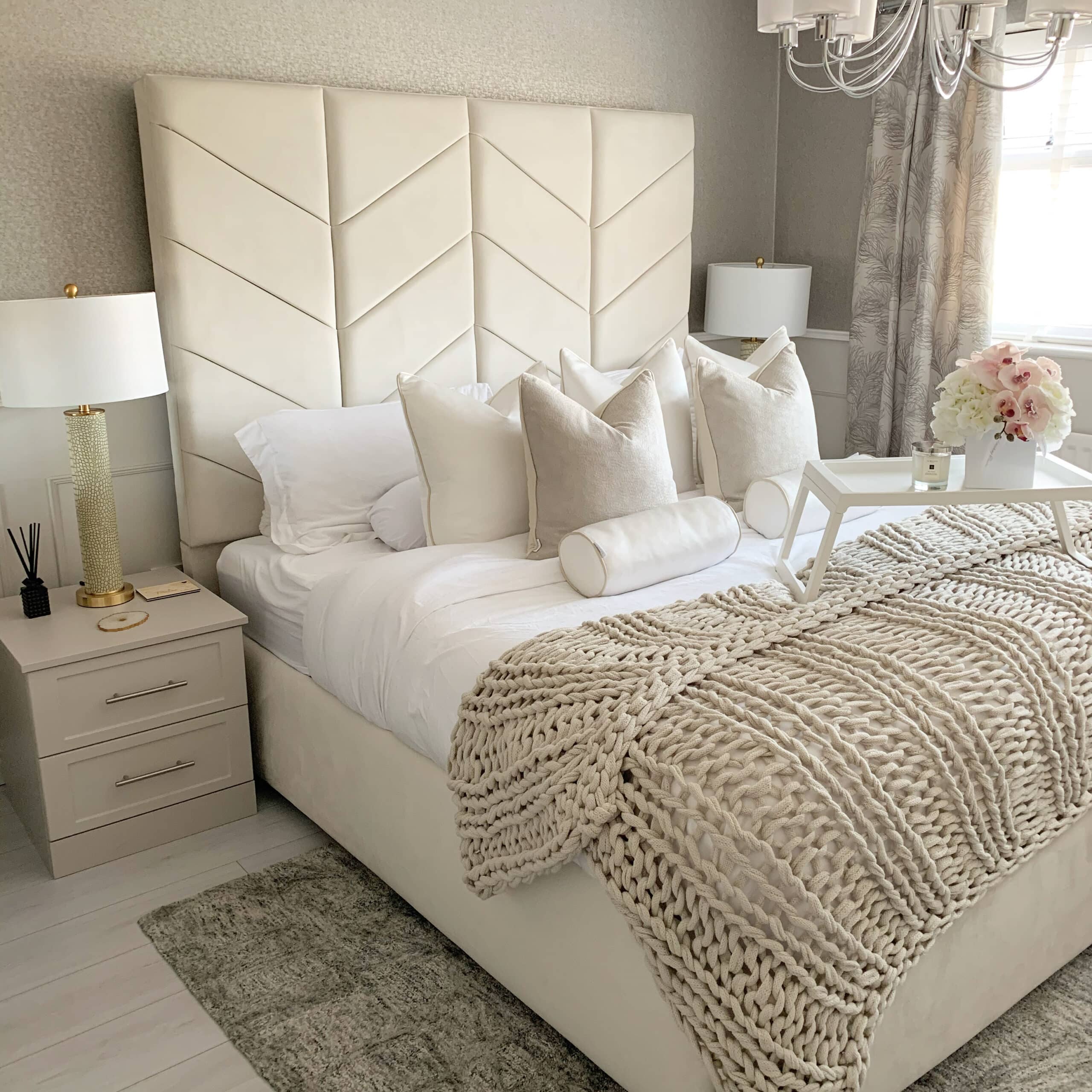
Creating a calm, neutral bedroom isn’t necessarily just about choosing light colours. It’s also about designing a space that feels balanced, uncluttered, and tailored to how you actually live.
According to bedroom designer Hayley Charlesworth, a neutral décor scheme is one of the most effective ways to create a relaxing and restful bedroom in UK homes.
“A neutral bedroom should feel effortless. The right colours are obviously important, but it’s really about creating a space that feels balanced, uncluttered, and perfectly suited to your lifestyle.”
From compact city apartments to period terraces and modern new-builds, neutral bedroom tend to work well in almost any space. And it’s a big part of their appeal. Especially in UK homes where layouts aren’t always straightforward.
What is a neutral bedroom?
A neutral bedroom is designed using a palette of soft, understated tones, like ivory, beige, clay, taupe, and warm grey, to create a calm and versatile space. Rather than relying on bold colour contrasts, neutral bedrooms focus on:
- Subtle tonal variation
- Natural materials
- Layered textures
- Clean, uncluttered layouts
This approach helps create an environment that promotes rest, while remaining easy to update over time.
“Neutral tones give longevity,” Hayley explains. “They allow the room to evolve without needing a complete redesign.”
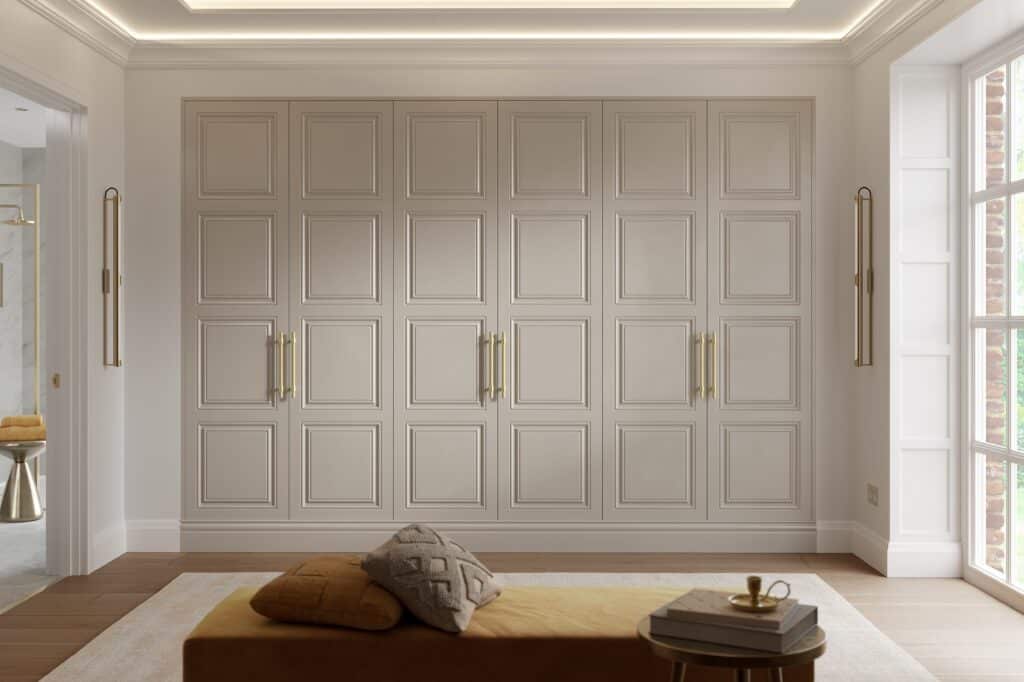
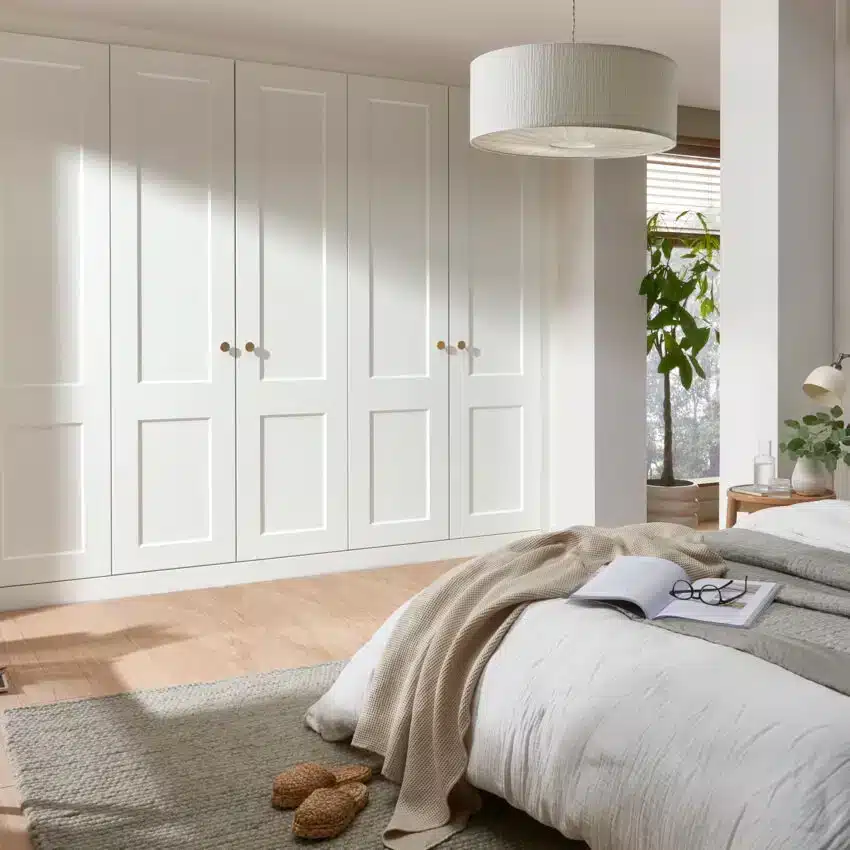
Fitted wardrobes in warm neutral tones like cashmere help create a seamless, uncluttered look – one of the key foundations of a calm and cohesive bedroom design.
Why neutral bedrooms work so well in UK homes
Neutral interiors are particularly effective in UK bedrooms, where space and natural light can often be limited. According to Hayley, neutral schemes help:
- Enhance natural light in darker rooms
- Make smaller spaces feel larger and more open
- Create a consistent, cohesive look across awkward layouts
- Provide a versatile base for seasonal updates
“A lot of UK bedrooms aren’t straightforward,” she says. “Neutral finishes help simplify the room visually. The result? The space instantly seems calmer and more spacious.”
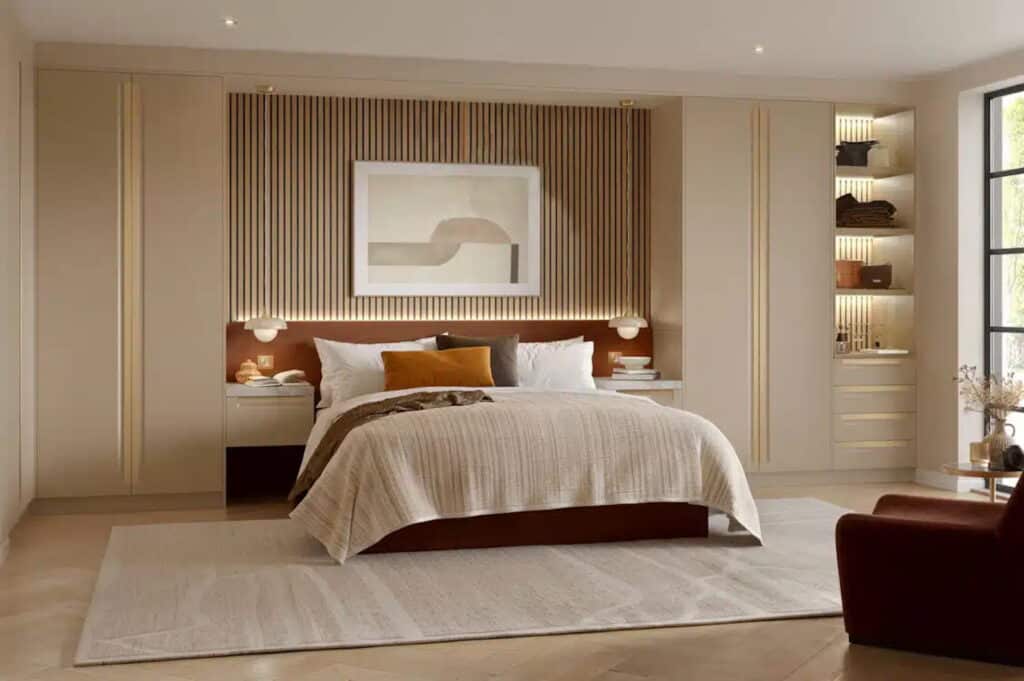
The soft cashmere finish on these Harmony wardrobes adds warmth and depth to the room, while maintaining a calm and understated aesthetic.
5 Ways to Design a Neutral Bedroom
Designing a successful neutral bedroom comes down to a few key principles.
1. Balance colour and light
A neutral palette should work with the natural light in your room, not against it.
- Use warmer neutrals like clay or cashmere in cooler, north-facing rooms
- Use lighter tones like ivory and soft beige to reflect light in smaller spaces
“The goal is to create a sense of softness and balance,” Hayley says. “You don’t want it to feel too stark.”
2. Layer tones instead of using one flat colour
The most effective neutral bedrooms use multiple shades within the same palette.
- Ivory + sand + warm beige
- Taupe + clay + soft brown
“Layering tones really helps a neutral room feel considered rather than flat.”
3. Visual calm comes from organisation as much as colour, so focus on creating a clutter-free layout.
- Avoid overcrowding the room with freestanding furniture
- Keep surfaces clear and intentional
- Design storage into the space wherever possible
“Clutter disrupts the feeling of calm immediately – even when you’ve done everything else right.”
4. Design storage into the room
One of the most overlooked elements of bedroom design is how storage impacts the way a room feels. Bespoke fitted furniture allows you to:
- Maximise awkward spaces like alcoves and sloping ceilings
- Create a seamless, built-in look
- Reduce visual clutter
“Fitted furniture allows you to design around the room, rather than forcing furniture into it,” Hayley explains.
5. Use texture to add depth and warmth
Without texture, neutral bedrooms can seem a little soulless and clinical. Try layering in:
- Linen bedding
- An upholstered headboard
- Wool or chunky knit throws
- Woven seagrass rugs and rattan baskets
- Matt or woodgrain finishes
“Neutral bedrooms can feel a bit flat without any texture,” says Hayley. “It’s one of the most common mistakes people make.”
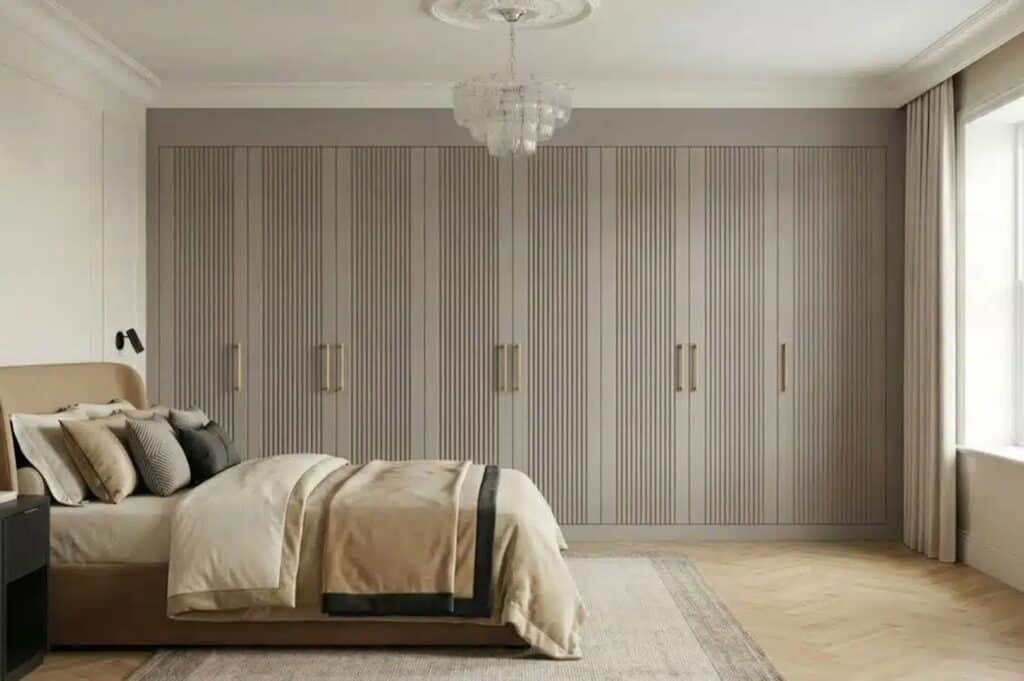
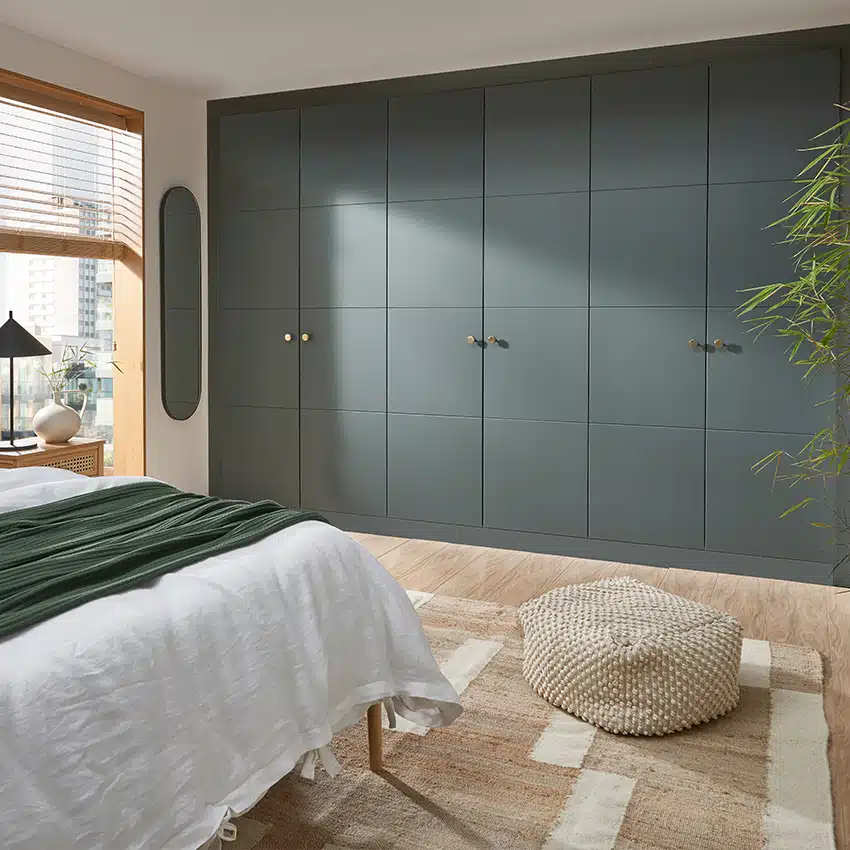
Clean-lined, fitted furniture supports a more architectural look, reducing visual clutter and helping a neutral bedroom feel more structured and intentional, according to Hayley.
Neutral bedroom trends for 2026
Neutral interiors are evolving beyond simple beige and grey palettes. Trending colours for this year include:
- Creamy ivory
- Mineral beige
- Soft clay
- Warm ochre
- Sand and earth tones
These shades create a more cocooning, inviting atmosphere.
“Neutrals are becoming warmer and more layered,” says Hayley. “That’s what makes bedrooms feel more comfortable and lived-in. Exactly what you want in a space that should promote rest and relaxation.”
Why fitted wardrobes work so well in neutral bedrooms
A calm bedroom starts with a clutter-free foundation. And smart storage really does play a key role in achieving it. Fitted wardrobes work particularly well in neutral interiors because they:
- Blend seamlessly into the room
- Reduce visual interruptions
- Can be customised to suit the layout
- Help maintain a clean, architectural look
This is especially valuable in UK homes with alcoves, chimney breasts, loft conversions, and compact layouts.
“When storage is built into the room, everything feels more intentional. That’s what creates the calm.”
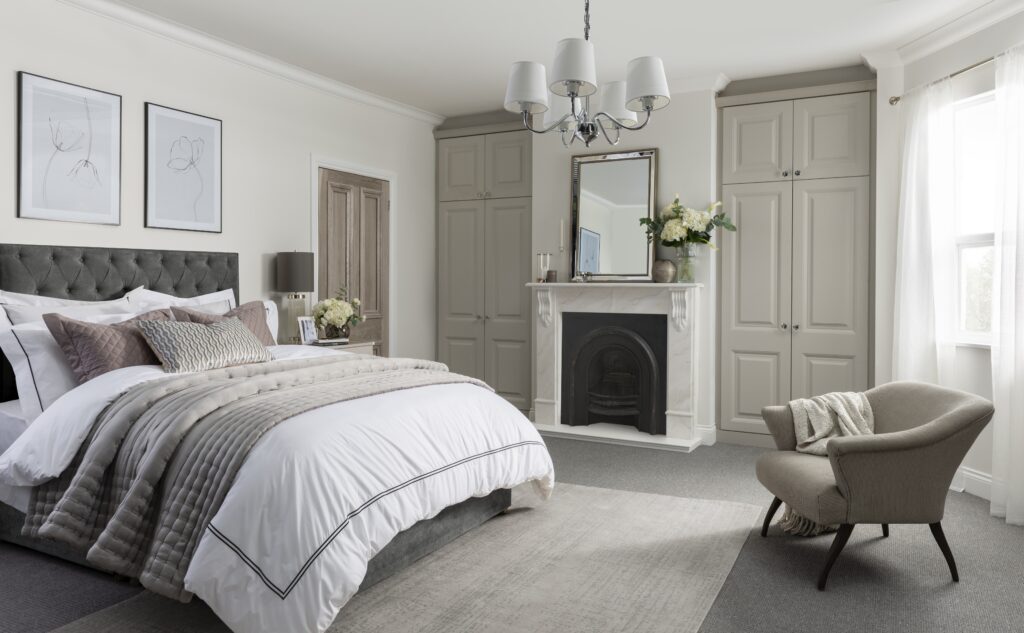
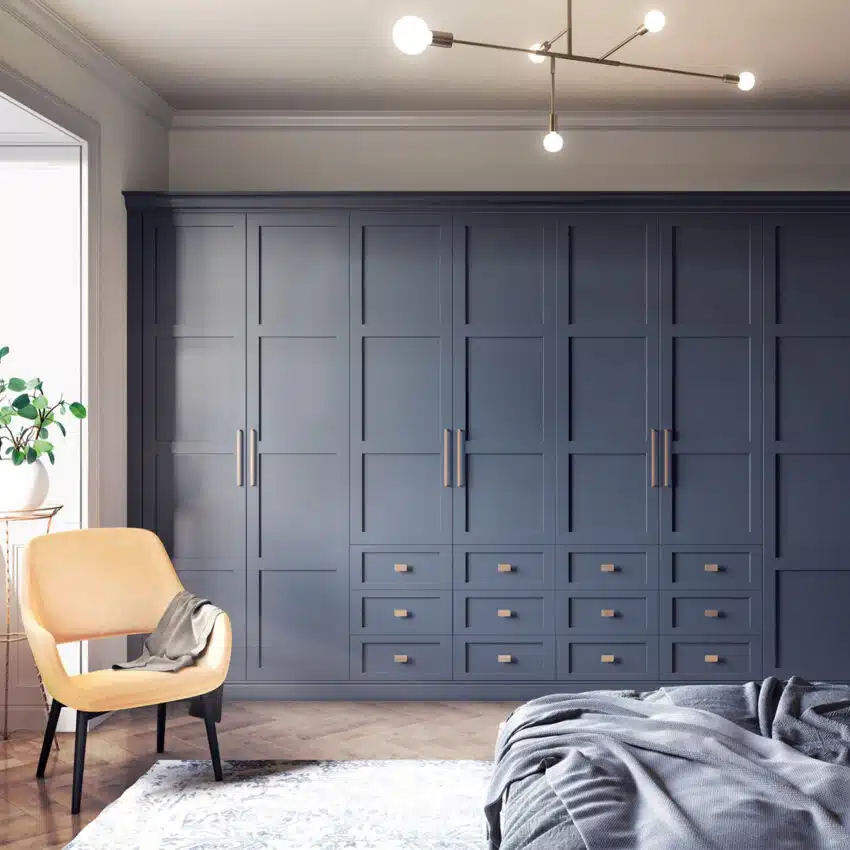
Built-in wardrobes designed around alcoves or awkward layouts help makes better use of the available space – essential for smaller UK bedrooms.
Why cashmere fitted wardrobes are a popular choice
Cashmere has become one of the most popular finishes for neutral bedrooms because it:
- Adds warmth without overpowering the space
- Pairs well with natural wood, stone, and layered textiles
- Suits contemporary and traditional interiors alike
“Cashmere is incredibly versatile,” Hayley says. “It brings warmth but still acts as a neutral backdrop.”
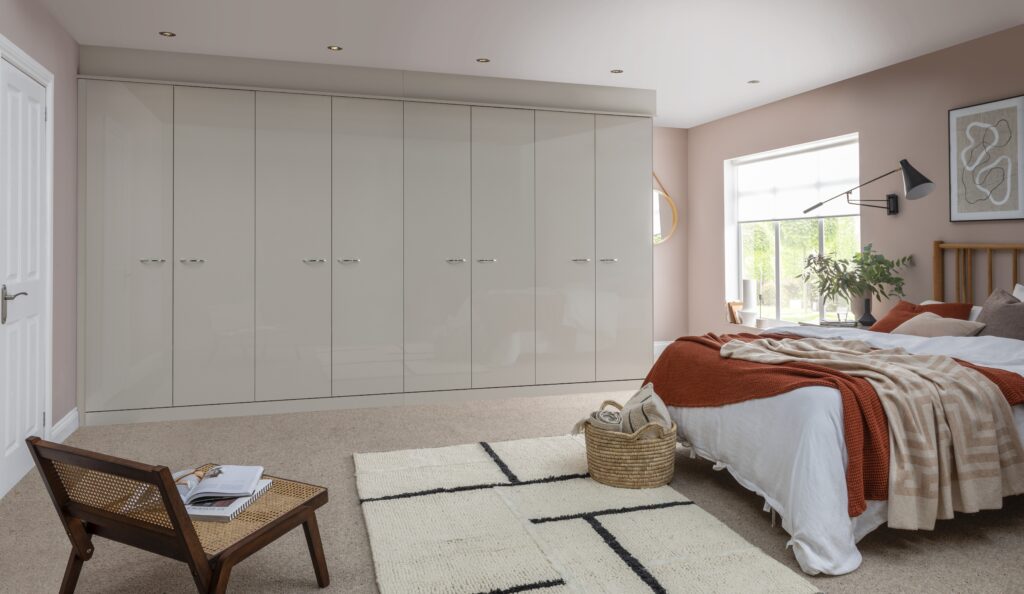
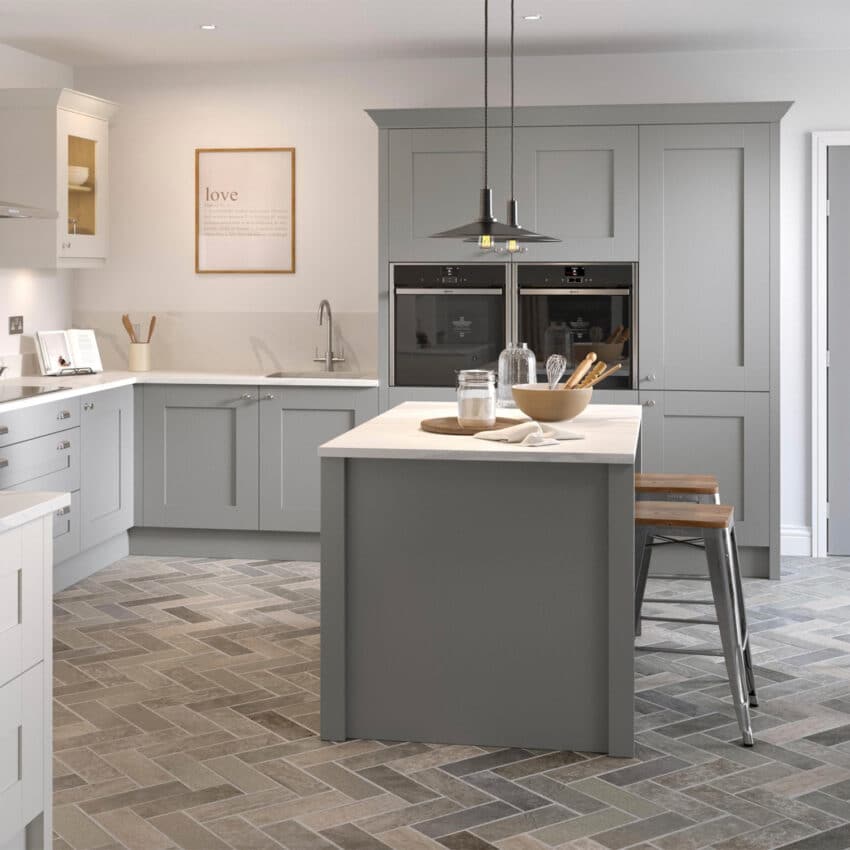
As designer Hayley Charlesworth explains, light-reflective finishes can help enhance natural light in darker bedrooms, making the space feel brighter and more open.
How to update a neutral bedroom
One of the biggest advantages of a neutral bedroom is its flexibility. You can quite easily refresh the space without redesigning it by:
- Switching the soft furnishings up (throws, cushions, bedding)
- Introducing seasonal accent colours for spring and autumn
- Updating artwork or even the colour of the walls
- Adding new textures or materials
“The beauty of a neutral base is that it never dates,” Hayley explains. “You can evolve the room as your style changes or whenever you fancy a bit of a refresh.”
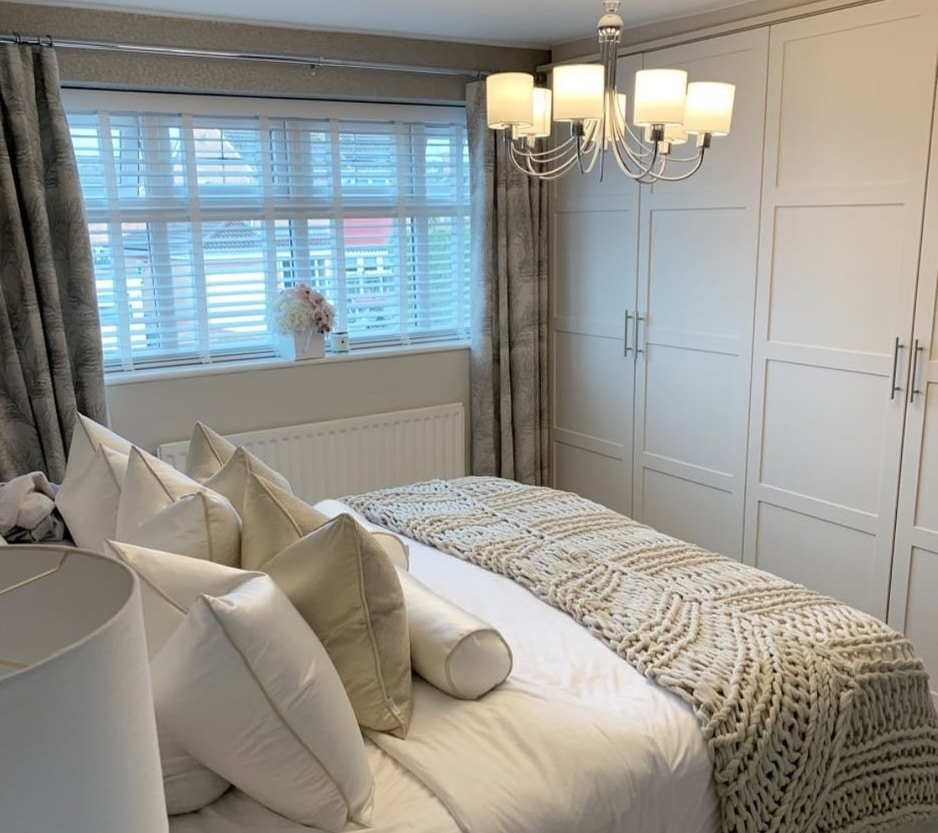
Designing a bedroom that feels calm and personal
A successful bedroom isn’t just about how it looks — it’s about how it functions day to day. The most effective neutral bedrooms tend to combine:
- Thoughtful layout
- Smart storage
- Layered textures
- A cohesive colour palette
“The best bedrooms feel personal and practical at the same time,” Hayley concludes. “When everything is designed to fit your space and your lifestyle, the result is naturally more relaxing.”
About the expert
Hayley Charlesworth is a bedroom designer at My Fitted Bedroom, specialising in bespoke fitted furniture for UK homes. Her work focuses on creating practical, tailored storage solutions that enhance both the function and feel of a space.