


Fitted Wardrobe Interior Ideas: How to Plan Hanging, Shelving and Drawer Space
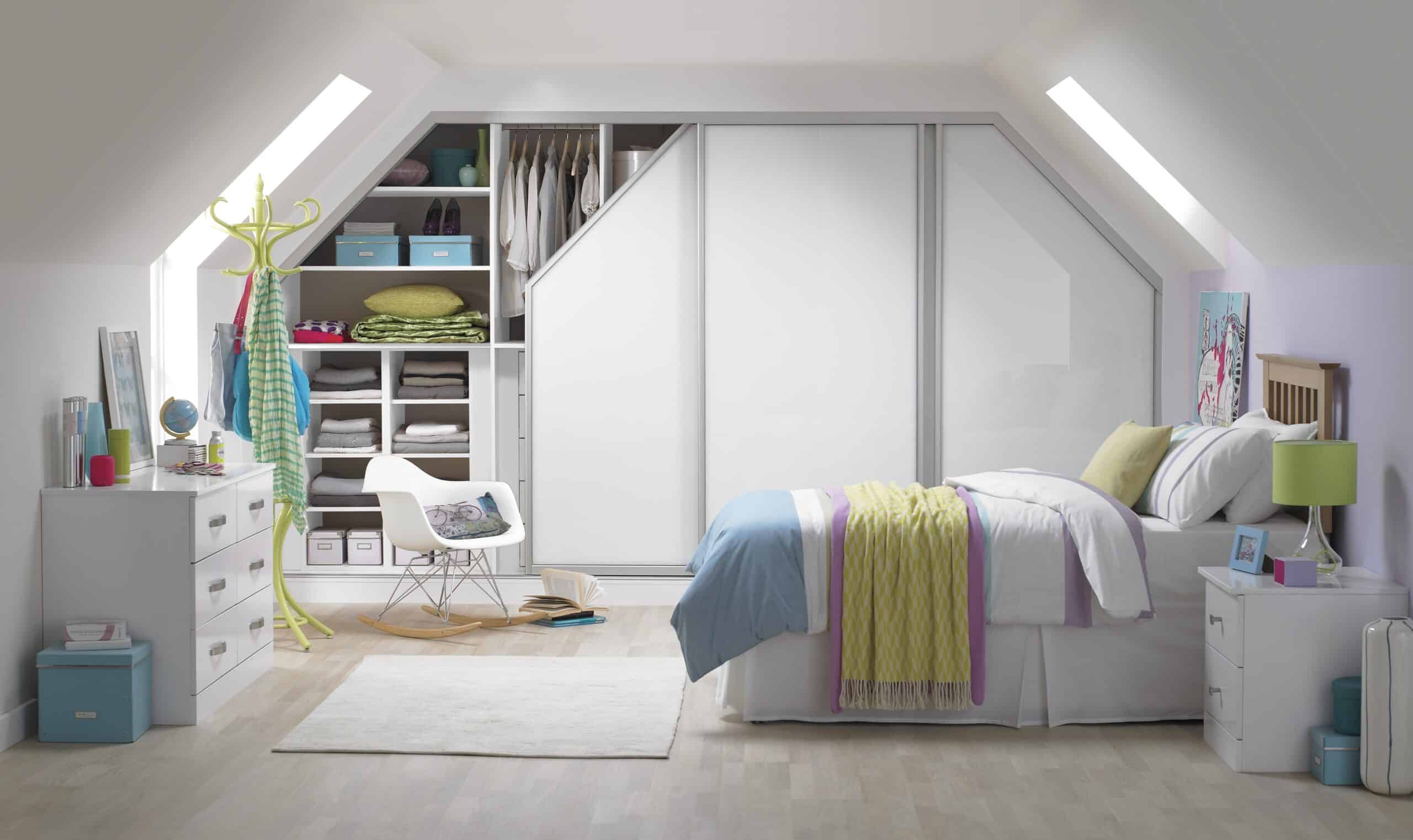
The doors may define how a fitted wardrobe looks, but the interior determines how well it works. A beautiful run of wardrobes will not solve everyday clutter if there is nowhere suitable for long dresses, folded knitwear, shoes or the smaller accessories that so easily get lost. The best fitted wardrobe interior ideas begin with your belongings and your routine. Rather than choosing a standard combination of one rail and one shelf, think about what you own, what you wear most often and how you naturally prefer to organise it.
Start with a Simple Wardrobe Audit
Before discussing rails and drawers, look carefully at what your new wardrobe needs to contain. Separate clothing into long hanging, short hanging, folded items, shoes and accessories. Include seasonal pieces, spare bedding, luggage and anything currently stored elsewhere because your existing wardrobe is full. You do not need to count every shirt, but a rough inventory prevents the design being based on guesswork. It can also reveal opportunities to remove other furniture from the bedroom. If internal drawers can replace a freestanding chest, for example, the room may gain valuable floor space.
Use Double Hanging Where It Makes Sense
Two rails positioned one above the other can significantly increase storage for shirts, blouses, jackets, skirts and folded trousers. Double hanging is especially useful when most of your wardrobe consists of shorter garments. It should not be used everywhere simply because it creates more rail space. Keep at least one full-height section for dresses, long coats and jumpsuits. A balanced interior usually works better than filling every compartment with the same type of storage.
Plan Long Hanging Around What You Actually Wear
Long hanging sections are essential for some wardrobes and barely used in others. Measure the approximate length of your longest garments and consider how many genuinely need full-height space. A shelf above can hold handbags, storage boxes or occasionally used items without interfering with the clothes below. If two people share the wardrobe, separate hanging zones can also make organisation easier. Each person can have the rail heights and mix of storage that suit their clothing rather than dividing every compartment equally.



Choose Shelves That Stay Accessible
Shelves work well for knitwear, jeans, handbags and storage boxes, but their spacing matters. Large gaps encourage tall piles that become unstable and difficult to maintain. More closely spaced shelves create smaller, manageable stacks and make it easier to remove one item without disturbing the rest. Adjustable shelves add flexibility as your needs change. Open sections at eye level can display favourite bags or decorative items, while higher shelves are better reserved for suitcases, spare bedding and seasonal clothing.
Add Drawers for Smaller Items
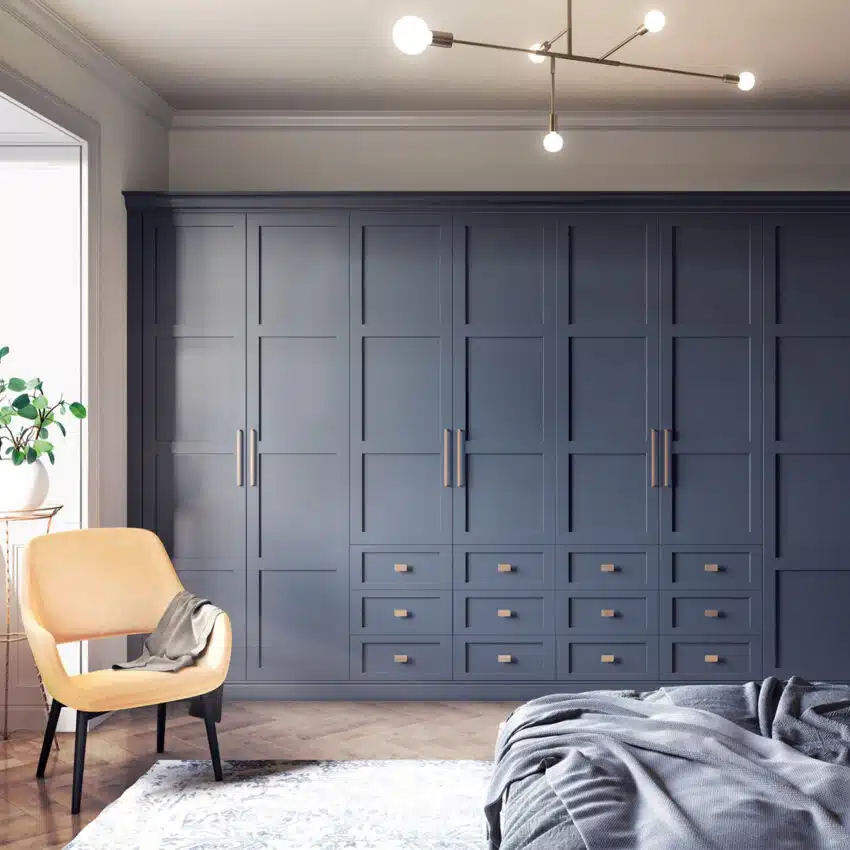
Internal drawers keep underwear, nightwear, gym wear and accessories contained without adding another piece of furniture to the room. Position frequently used drawers at a comfortable height and avoid placing them where an open door, bedside table or other obstruction would restrict access. Shallow drawers suit jewellery, watches, belts and sunglasses, while deeper drawers are more useful for folded clothing. Soft-glide mechanisms and thoughtful dividers can make smaller items far easier to see and organise.
Give Shoes and Accessories a Proper Home
Shoes often consume more space than expected because boots, heels and trainers all need different clearances. Dedicated shelves or pull-out storage can keep pairs together and stop footwear collecting on the wardrobe floor. The same principle applies to ties, scarves, handbags and jewellery. Pull-out trays, accessory drawers, hooks and divided compartments prevent small items becoming an afterthought. In a walk-in wardrobe, open shoe and handbag displays can also become part of the room’s design.
Consider Lighting at the Design Stage
Internal lighting makes dark corners easier to use and can give a fitted wardrobe a more luxurious finish. It is especially valuable in deep sections, walk-in wardrobes and dressing rooms with limited natural light. Lighting, switches and cable routes are easiest to plan before installation. If electrical work is needed, it should be coordinated safely with the wardrobe design and completed by a suitably qualified professional.
Be bold, be beautiful. Browse our best sellers.
Build in Some Flexibility
A wardrobe should work for longer than the clothes you own today. Adjustable shelves, a sensible balance of hanging and folded storage, and a little spare capacity allow the interior to adapt when your lifestyle changes. Avoid making every compartment so specialised that it has only one possible use. Bespoke does not have to mean inflexible; the most successful custom interiors for combine tailored details with sections that can evolve.
At My Fitted Bedroom, our interiors are designed around what you own and how you live. Book a free home design visit to explore hanging, shelving, drawers and intelligent storage tailored to you.