




How To Combine Two Colours in a Fitted Bedroom
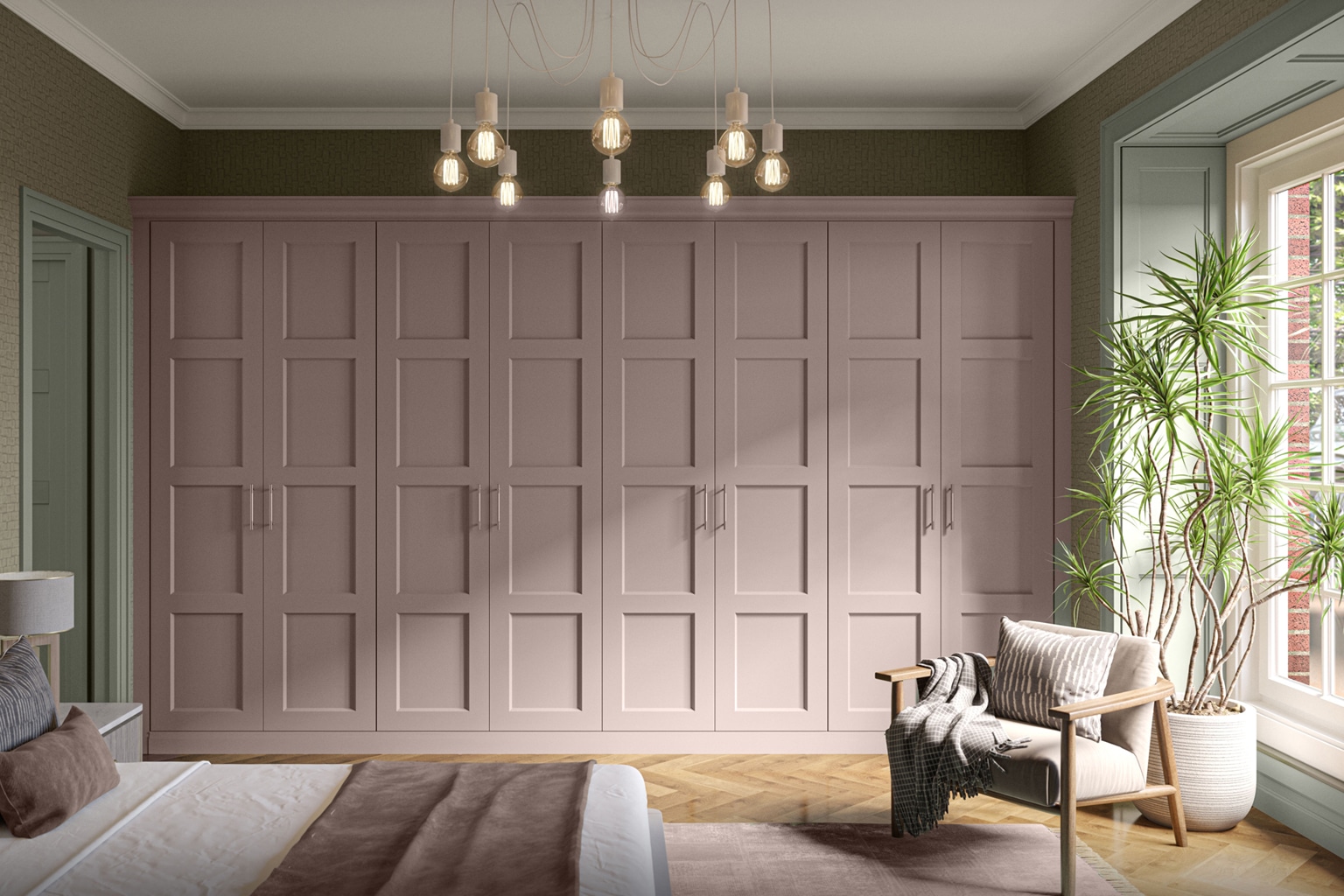
Two-tone fitted bedroom furniture combines two colours or finishes within one room or installation. You might choose one finish for the wardrobes and another for the bedside furniture or introduce a contrasting dressing area perhaps. It works best when each finish has a clear place in the design, so the combination feels considered, rather than divided or random.
Using two finishes can help a large fitted furniture installation feel more individual and unique. It also gives you a way to connect new storage with an existing bed, flooring or furniture, without trying to match everything exactly!
Decide Which Part of the Bedroom should Stand Out
A fitted wardrobe wall is often the largest furniture surface in a room. Its colour will usually have more influence than the finish on a small drawer unit, for example. If you want the wardrobes to feel understated, use the second finish on a smaller feature, such as a dressing table or bedside section. If the wardrobe doors are the main feature, a quieter finish elsewhere can give them room to stand out. It’s important to consider this balance at the start of planning your fitted bedroom, as it’s easier to judge two colours when you know how much of each will be visible.
Try a Subtle Combination of Related Neutrals
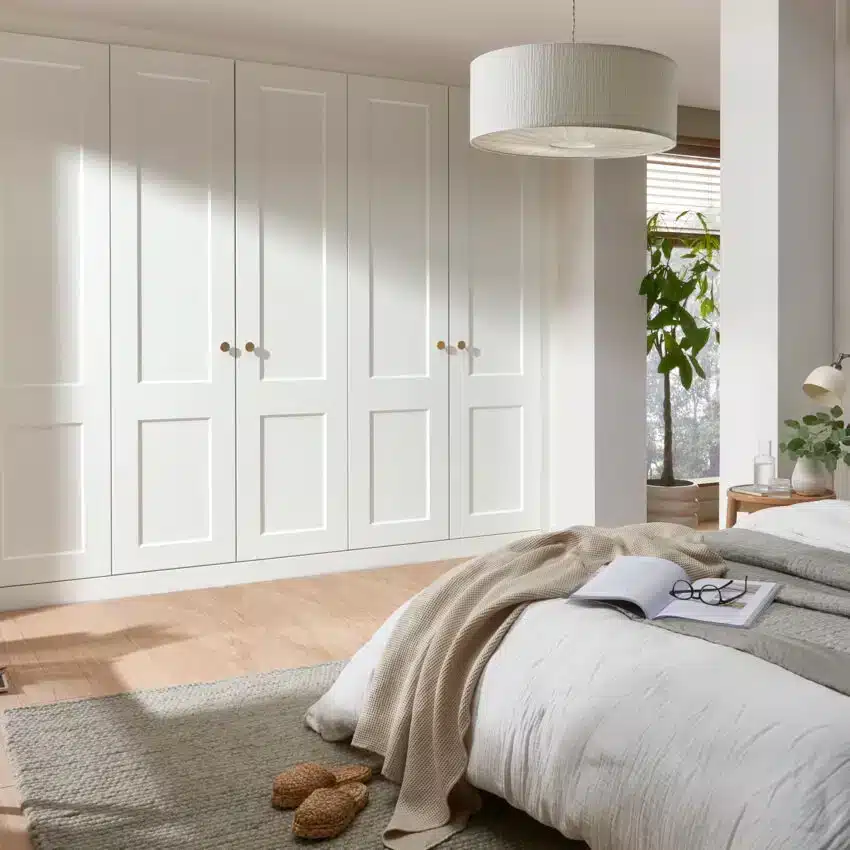
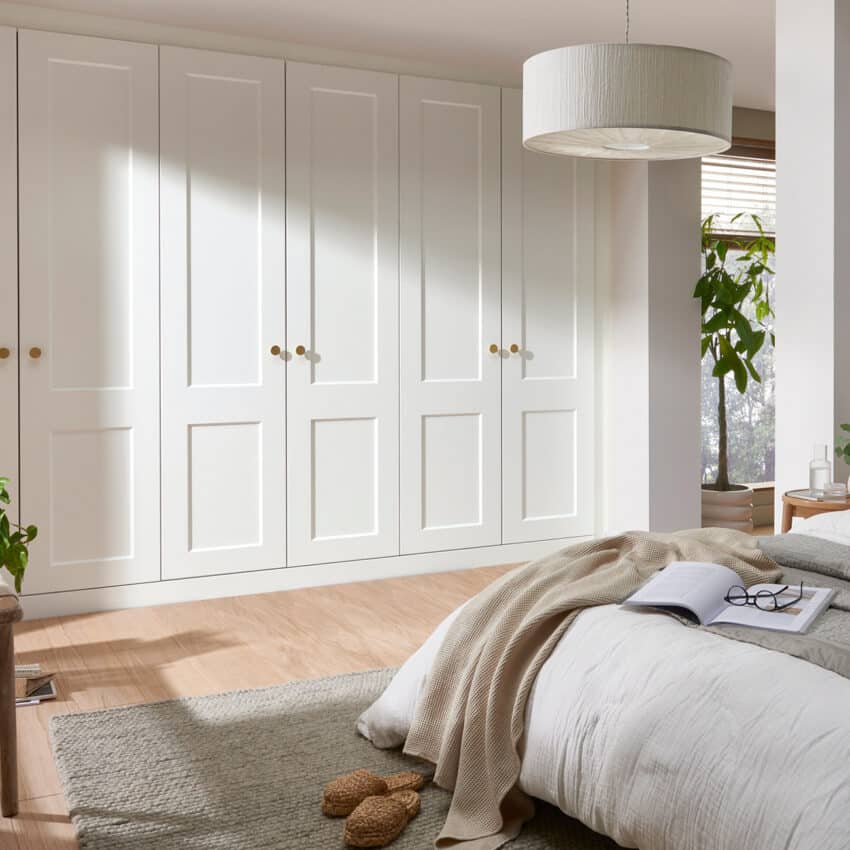
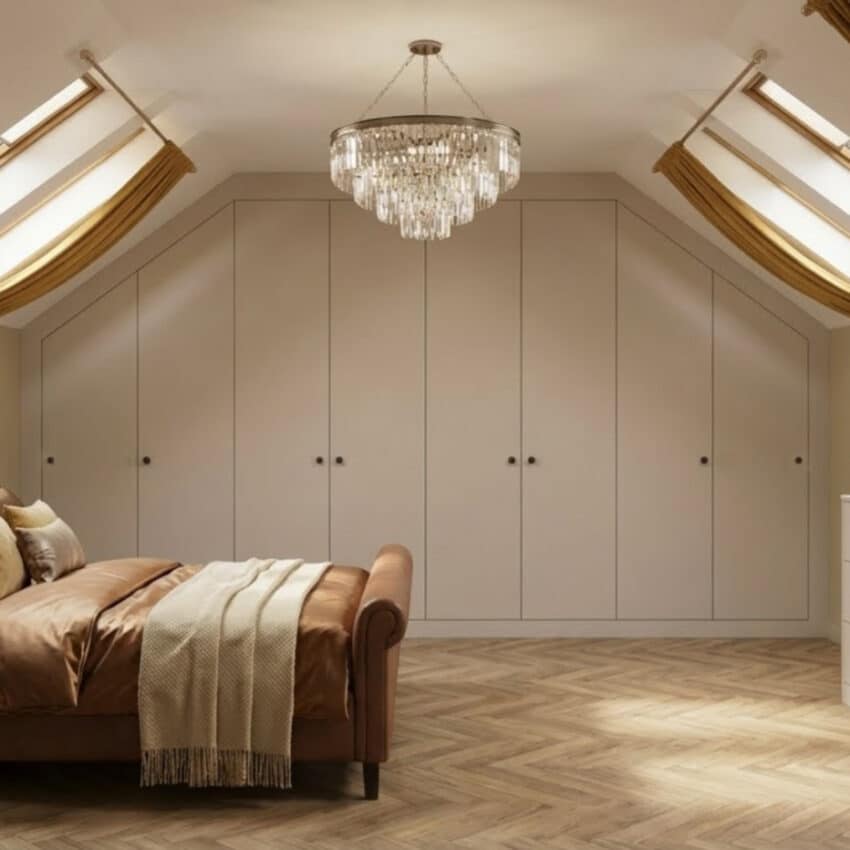
Two-tone does not have to mean a dramatic contrast – related neutral shades can give different pieces their own identity, all whilst keeping the room calm. For example, a pale wardrobe finish alongside a slightly deeper neutral dressing area may create enough variation for your taste. The undertones matter: two finishes described as beige can look quite different when one leans towards pink and another towards grey. Our beige and cashmere fitted wardrobes offer a starting point for exploring warm neutral finishes. Compare actual samples and ask which combinations are available in the furniture styles you prefer.



Use a Stronger Colour in a Defined Area
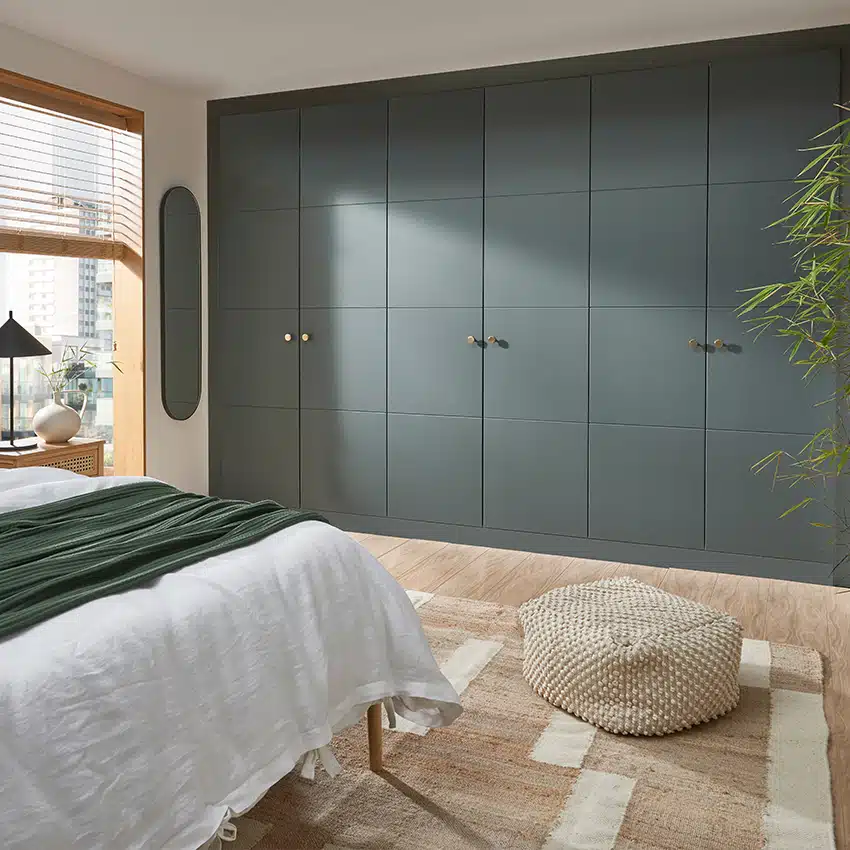
A deeper colour on a smaller section can introduce character without taking over the whole bedroom. This could be a dressing area or selected bedside furniture, depending on the proposed design.
Position matters too – if the stronger colour appears in several disconnected places, the room can feel busier than you initially intended. Giving it one clear area may be easier to live with, particularly if you already have patterned bedding or wallpaper.
Look at the design from the doorway and from the bed. Those views can show whether the accent feels deliberate or draws attention to a part of the room you would prefer to keep quieter.
Combine a Plain Finish with a Timber Effect
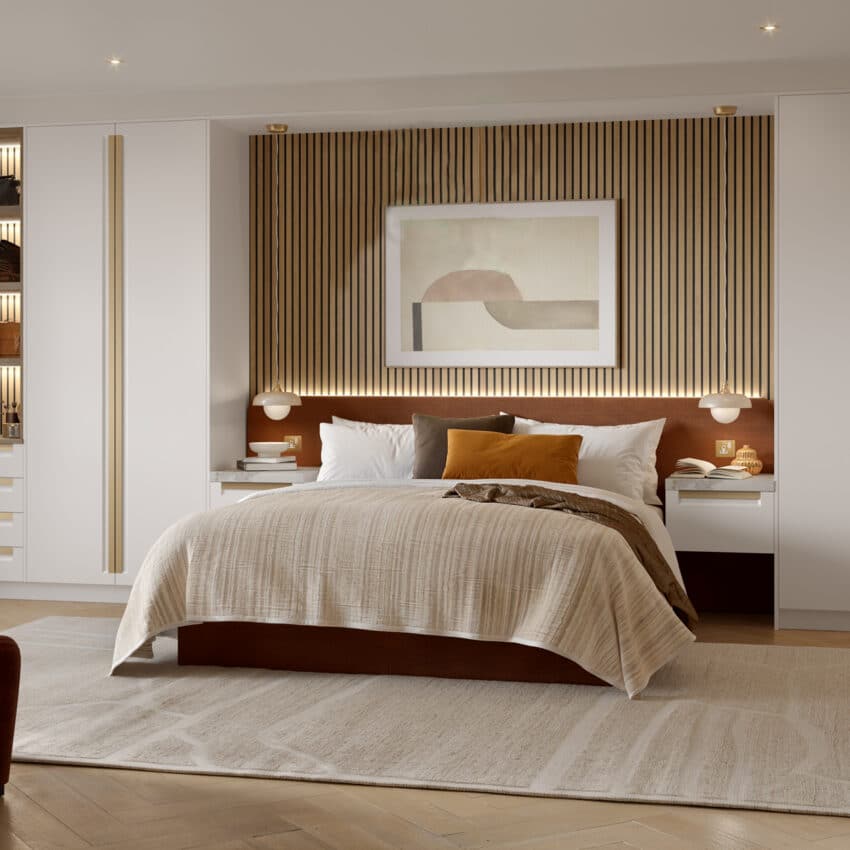
Colour is not the only way to create variation. A timber-effect finish can add pattern alongside plain furniture, although the exact combinations available will depend on the chosen range.
Compare it with the floor and any existing wooden pieces. Similar finishes are not always a convincing match, and a deliberate difference can look more comfortable than two surfaces that are almost the same.
Consider the amount of patterns already in the room – a heavily grained finish, busy wallpaper and a patterned headboard can each look attractive separately, but you may prefer to simplify one element when they sit together.
Be bold, be beautiful. Browse our best sellers.
Keep Another Detail Consistent
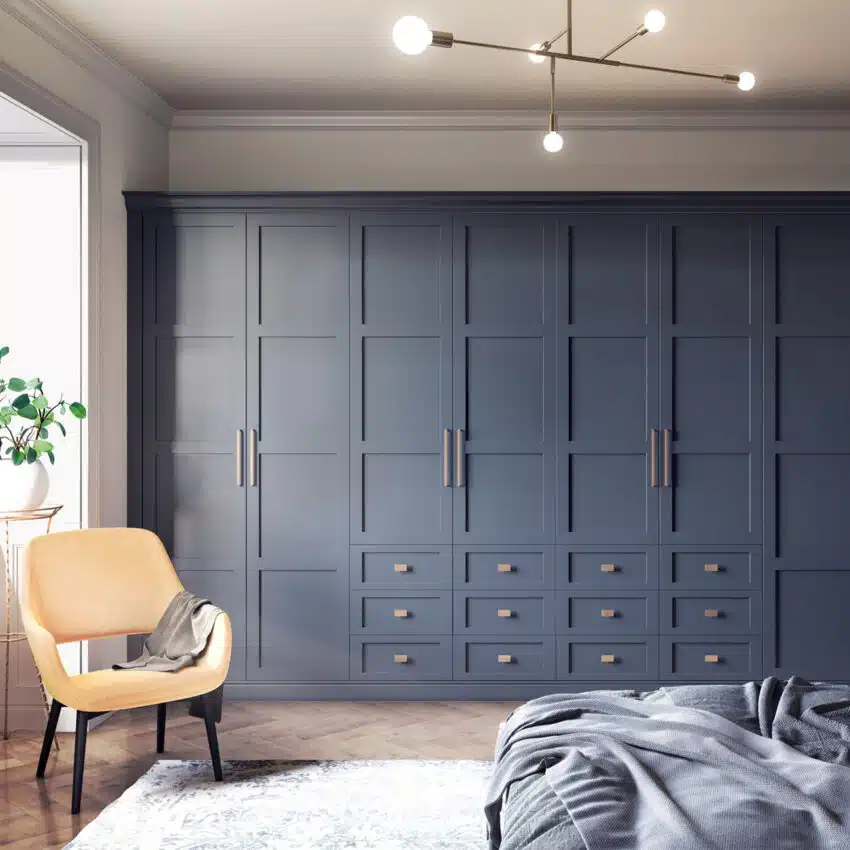
If the colours differ, a repeated door style or related handles can help the furniture feel connected. Alternatively, a common finish can unite different furniture shapes.
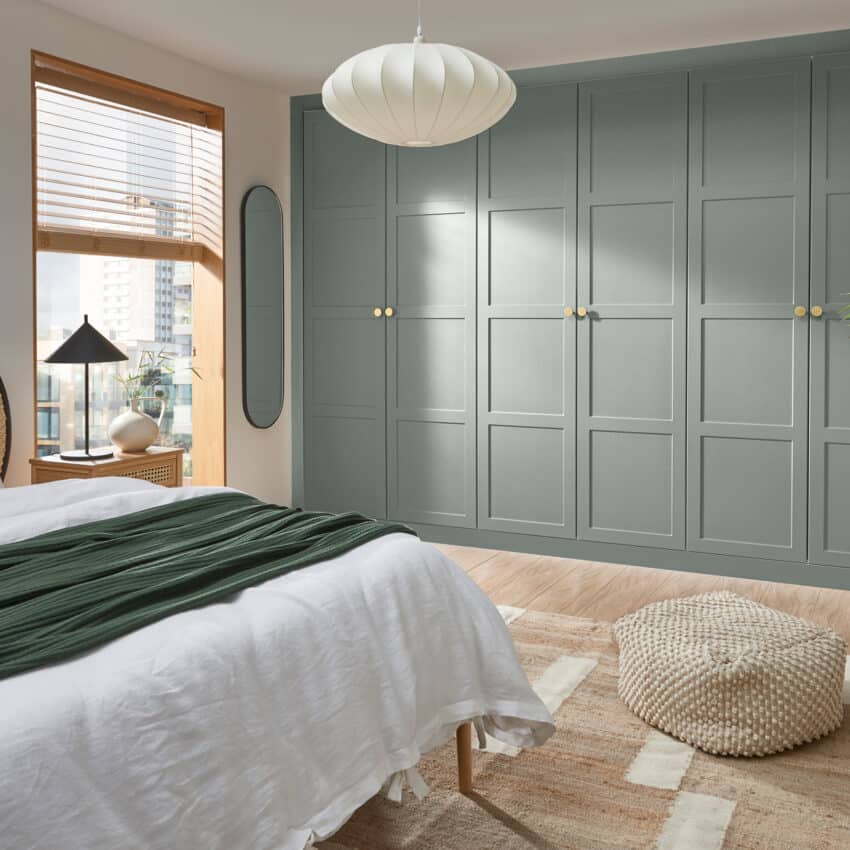
You don’t have to repeat every detail. Decide which connection matters most, then let the other pieces compliment it. Our Shaker bedroom styles can be explored in different finishes if you like the consistency of framed doors.
Test the Colours Where the Furniture Will Go
Place samples beside one another in the bedroom, then compare them in the positions they will occupy. A fitted wardrobe finish near the window may look different from a bedside finish in a shaded corner.
Look during the day and with the lighting you normally use in the evening. Consider your flooring, paint and headboard in the comparison as well. A design image helps explain where each finish will sit, but physical samples are better for judging colour and surface texture. Use both to decide whether you like the complete scheme.
See the Colours Together in your Home
Arrange a free home design visit with My Fitted Bedroom to compare samples and explore how two finishes could work across your furniture – contact us today to arrange yours.