




Shaker or Traditional Fitted Bedroom Furniture?
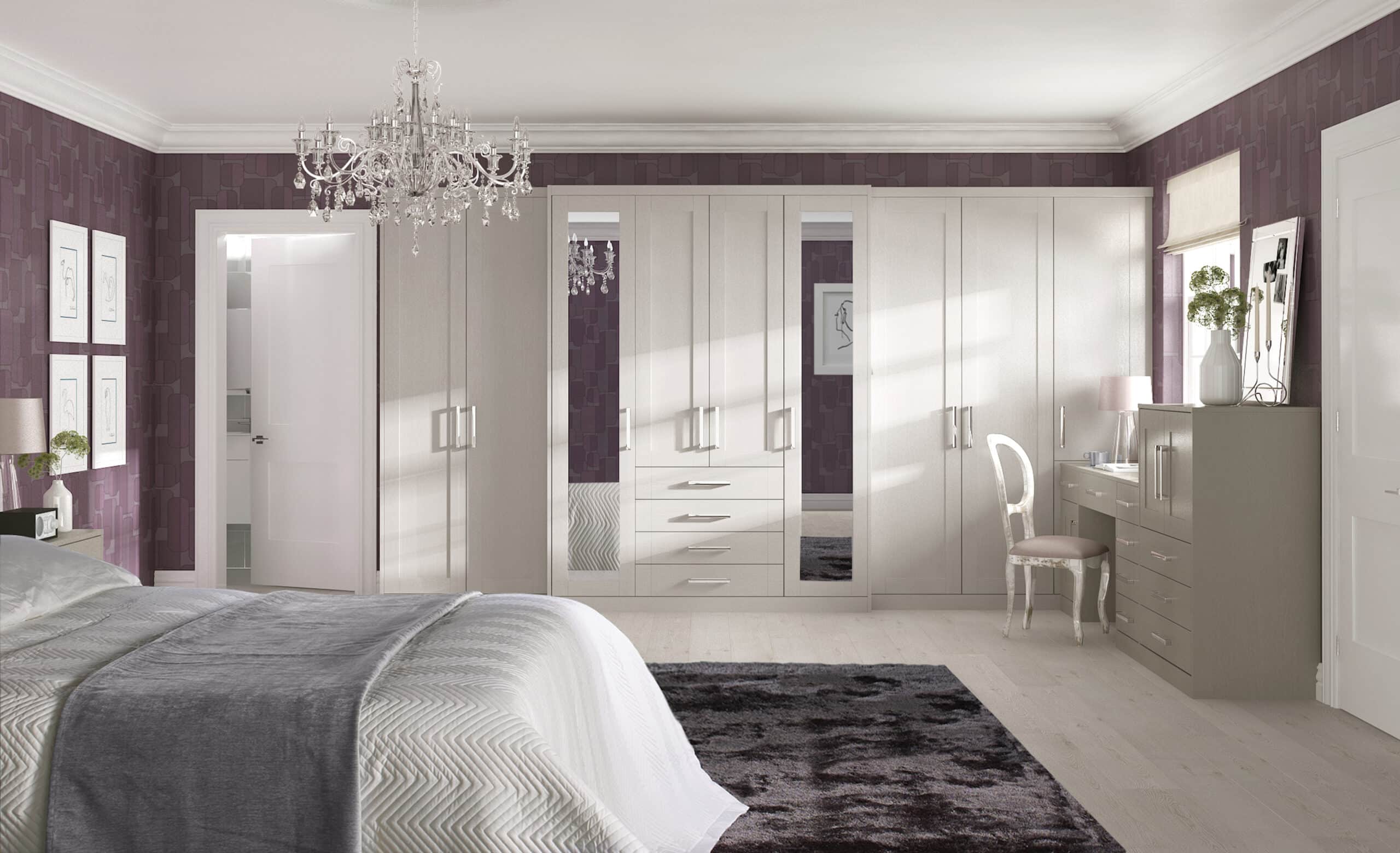
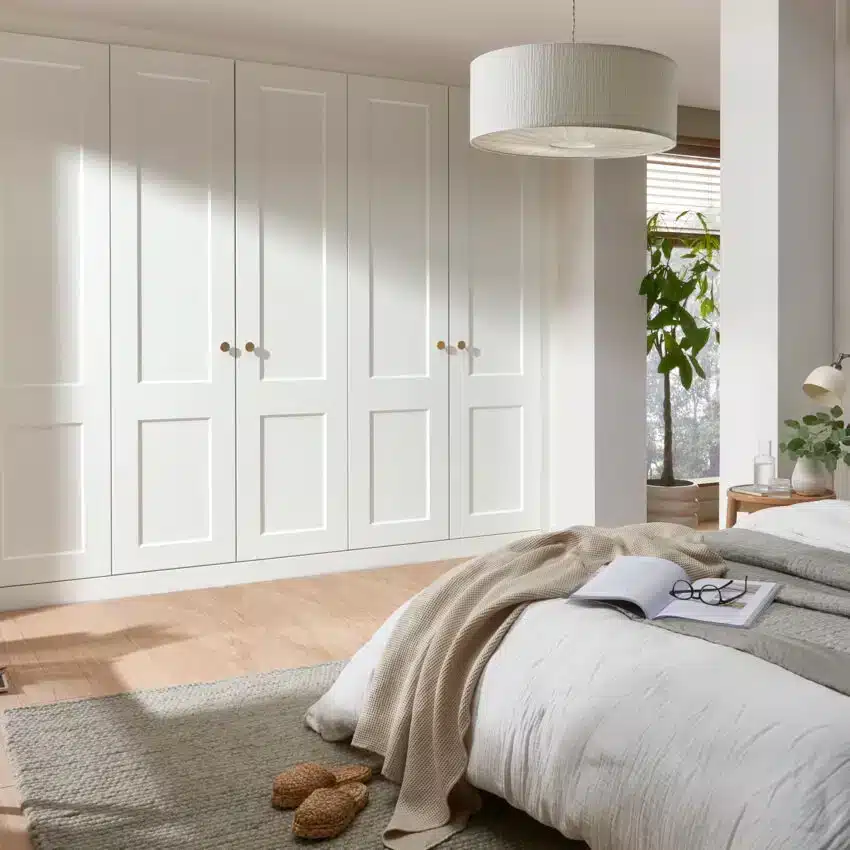
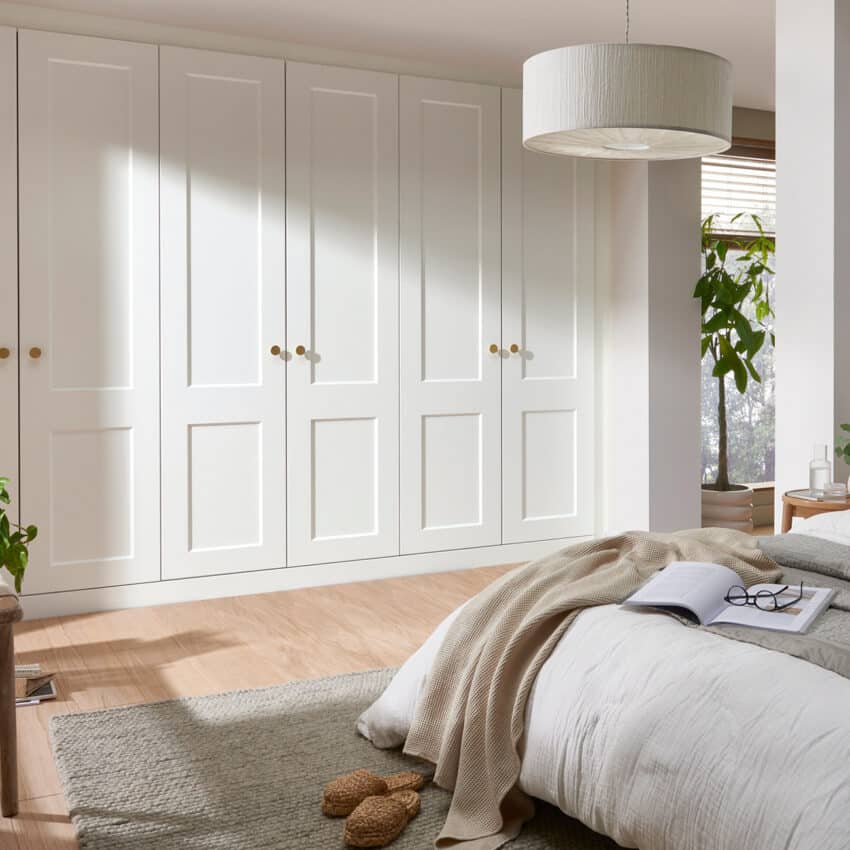
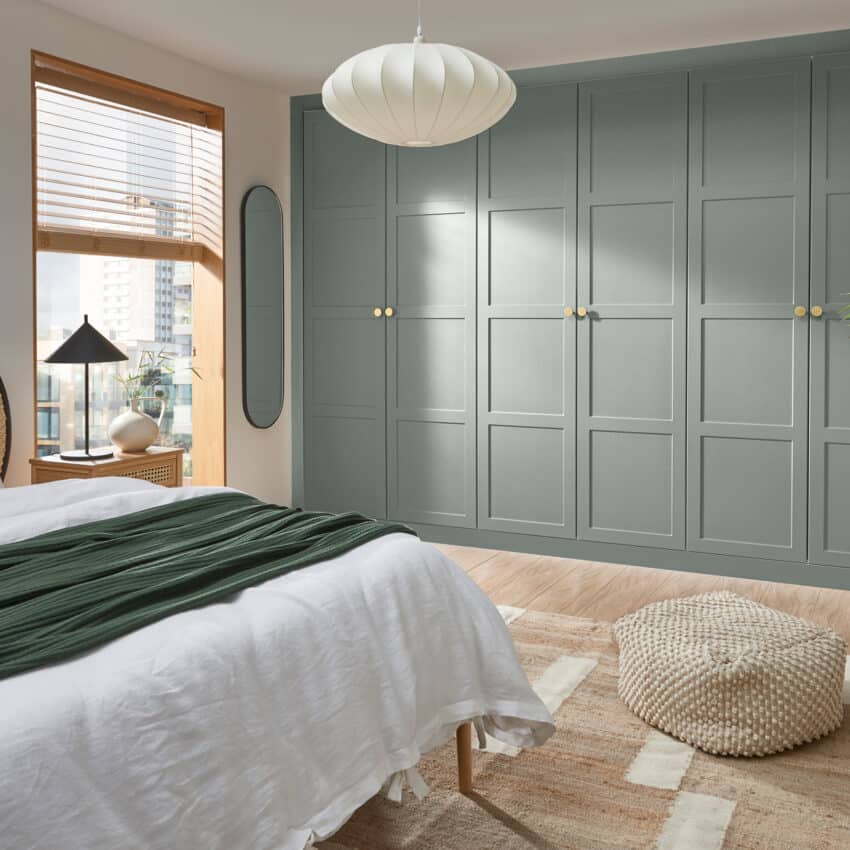
Shaker fitted bedroom furniture generally uses a simple framed door with a recessed centre panel. Traditional furniture is a broader category that can include more decorative profiles and detailing. The two overlap, so the most useful question is: how much detail do you want across your bedroom?
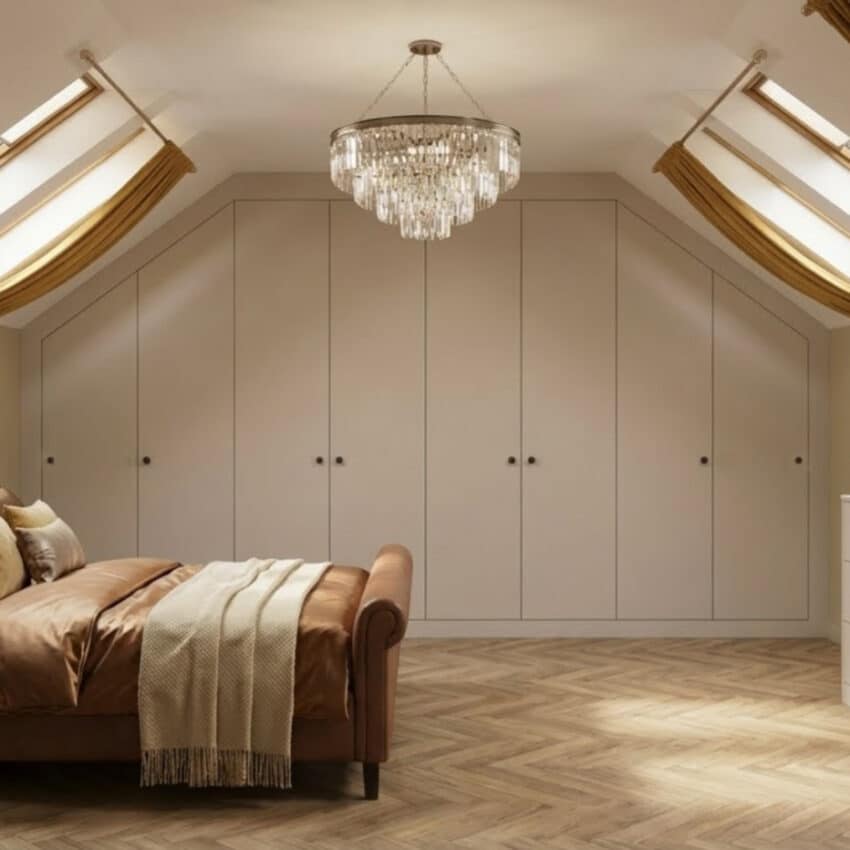
A Shaker bedroom can feel classic, whilst a more detailed traditional design can still sit comfortably with contemporary décor. Colour, handles and the proportions of the furniture all influence the finished effect.
Look Closely at the Door Profile
Start with the shape of the door itself. With a straightforward Shaker design, the frame and centre panel provide the main detail. More decorative traditional doors may add moulded edges or additional profiling.
Compare full door samples where possible. Small pictures can make different profiles appear almost identical, particularly when they are photographed in pale colours.
Our Shaker fitted wardrobes and traditional fitted wardrobe collection offer starting points for comparing the available designs – be sure to judge the individual doors, rather than assuming every style within a category looks the same!
Consider the Room Beyond the Wardrobe Wall
In a bedroom with decorative coving, a patterned headboard and detailed wallpaper, a simpler furniture frontage may provide a quieter backdrop. If the room is otherwise plain, a more decorative door could add the character you are looking for. Neither approach is restricted to a particular age of property. A new-build bedroom can suit traditional furniture and Shaker doors can work alongside period features. The relationship between the furniture and the room is more useful than a rule about which homes should have which style.
Look at the design with the pieces you intend to keep too, including the bed, bedside lighting and any freestanding furniture.



See the Detail Across the Full Fitted Bedroom
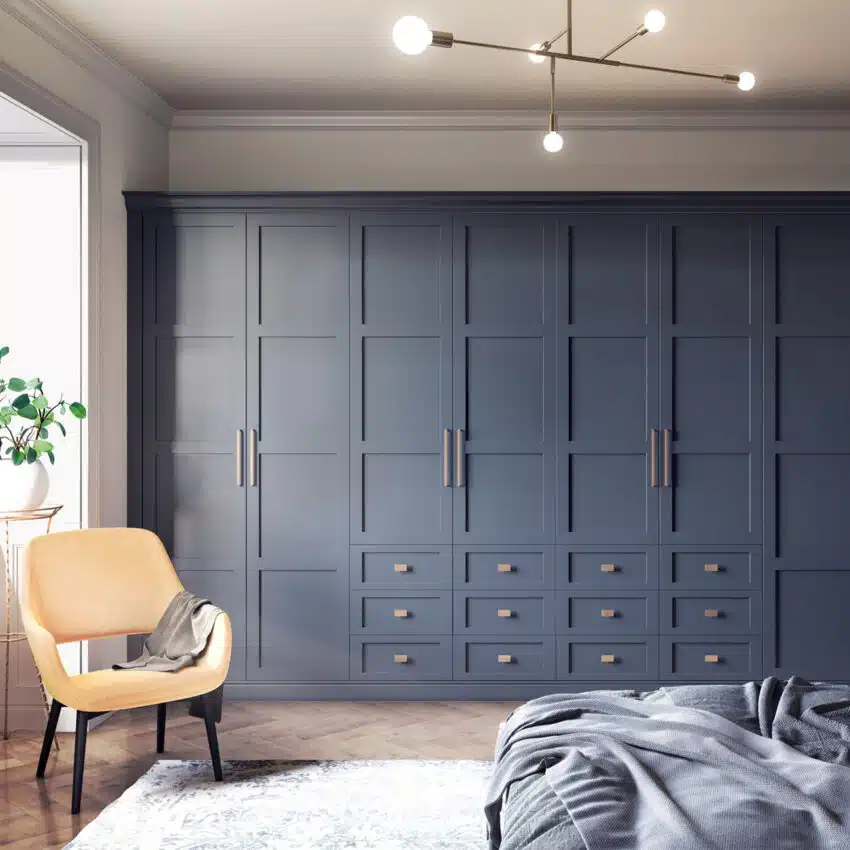
One attractive door sample doesn’t really show how the pattern will repeat across several wardrobes, drawer fronts and bedside units. Ask to see the proposed furniture arrangement as a whole. A framed design may look different on a broad wardrobe door and a shallow drawer front. Divisions between units also affect the rhythm of a long run of furniture.
If you’re planning a complete fitted bedroom, compare the same style across all the pieces you need. You might prefer a consistent door design or a simpler treatment on selected smaller pieces where the combination is available.
Use Handles to Refine the Style
Handles can change how the same door feels. A modest knob may support a classic scheme; a cleaner bar handle can give framed doors a more contemporary appearance. Choose handles by feel as well as appearance. Try the grip, consider how they work on different-sized doors and look at their projection into the room. A handle that suits a tall wardrobe door may need a different size or position on a bedside drawer. There’s no need to copy every metal finish in the bedroom exactly – it’s more useful to compare the combination and decide whether it feels connected.
Be bold, be beautiful. Browse our best sellers.
Compare Colours on the Actual Profile
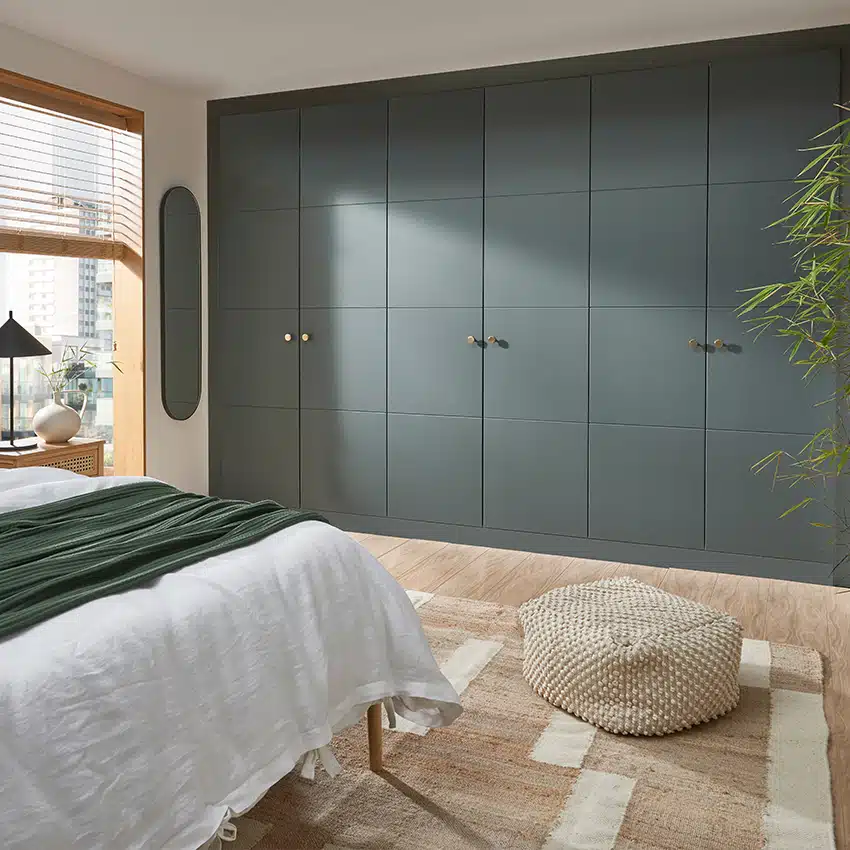
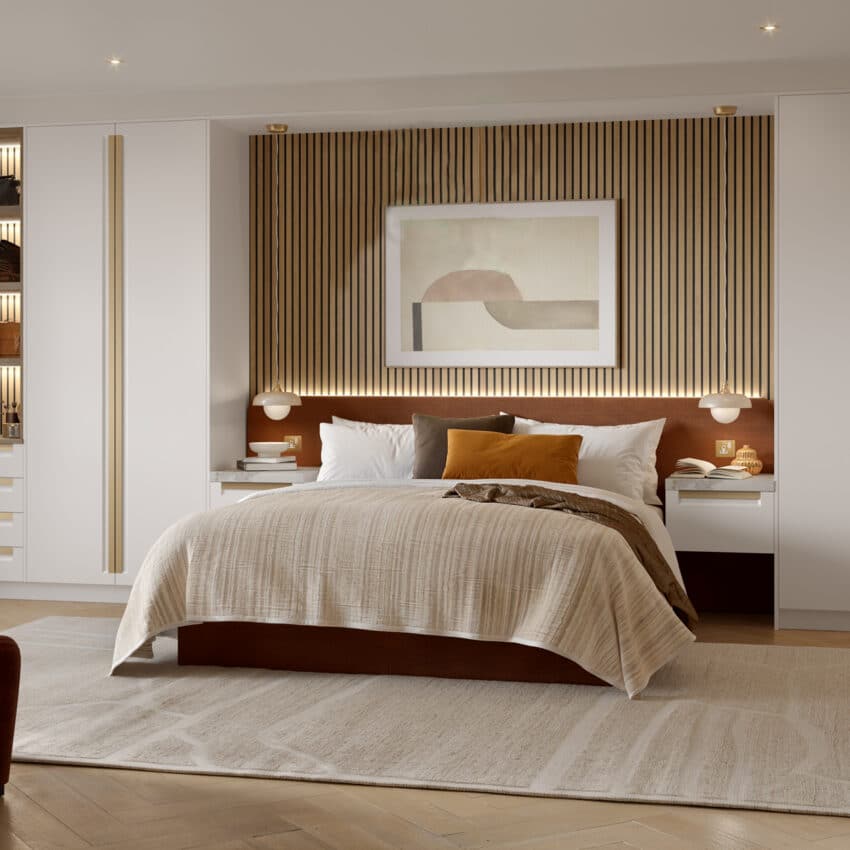
The recesses and edges of a panelled door create shadows, so a finish can look different on a shaped sample than on a flat swatch. Ask to see the colour on the door style you’re considering. Lighter finishes can make detail feel more understated, whilst a darker finish may give the same profile greater presence, although the room’s light and surrounding colours will influence the result. You can also use bedding, curtains and wall colour to shift the overall mood. A classic door does not oblige you to decorate the rest of the room in one particular style.
Keep Storage Needs Separate from Decorative Choices
Choosing Shaker or traditional doors doesn’t decide how much hanging, shelving or drawer storage you need. Agree the practical layout alongside the outside appearance. The proposed furniture depth, interior and access should reflect your belongings and room. Ask your fitted wardrobe designer to explain the actual specification, rather than treating a style name as a guarantee of materials, construction or storage capacity.
Compare Both Styles in Your Bedroom
Book a free home design visit with My Fitted Bedroom to compare samples and explore the furniture arrangement that best suits your room. Get in touch today to start your fitted furniture journey.