







Walk-In Wardrobes & Dressing Room Ideas for Modern Homes by our designer Keeshak
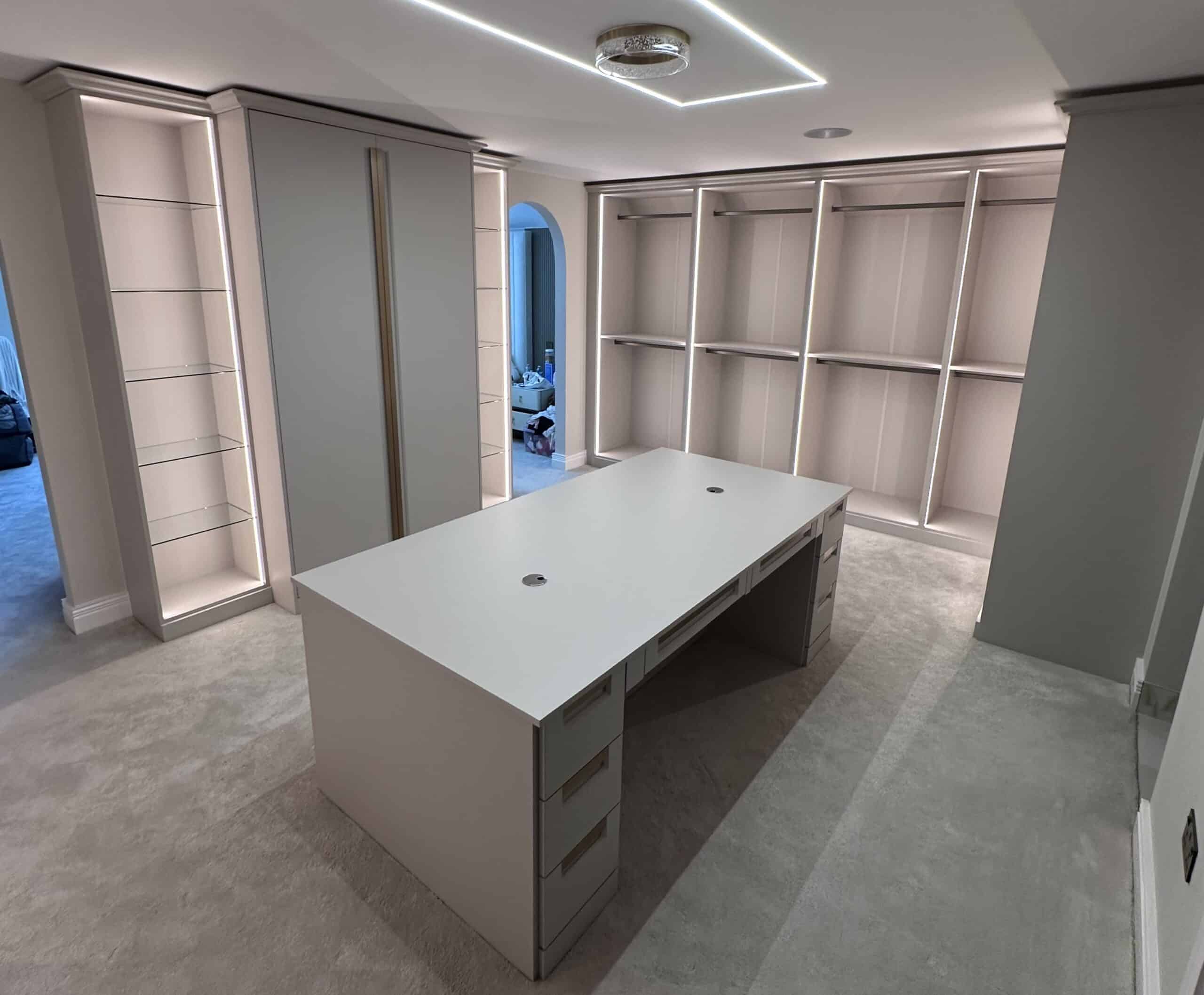
There’s been a noticeable shift in how bedrooms are being designed. A significant change is that walk-in wardrobes and dressing rooms have moved from being seen as a luxury to something far more considered and, increasingly, expected in modern homes.
The appeal goes beyond aesthetics. A well-designed walk-in wardrobe brings structure and clarity to a space, separating the functional from the restful. Instead of wardrobes dominating a bedroom, storage becomes part of a more thoughtful layout, allowing the room itself to feel calmer and more intentional.
As one of our brilliant bedroom designers, Keeshak Downie explains, “The biggest change we’re seeing isn’t just people wanting more storage – it’s people wanting better space. A walk-in wardrobe allows you to separate function from relaxation. Your bedroom becomes calmer, and everything else has its place.”
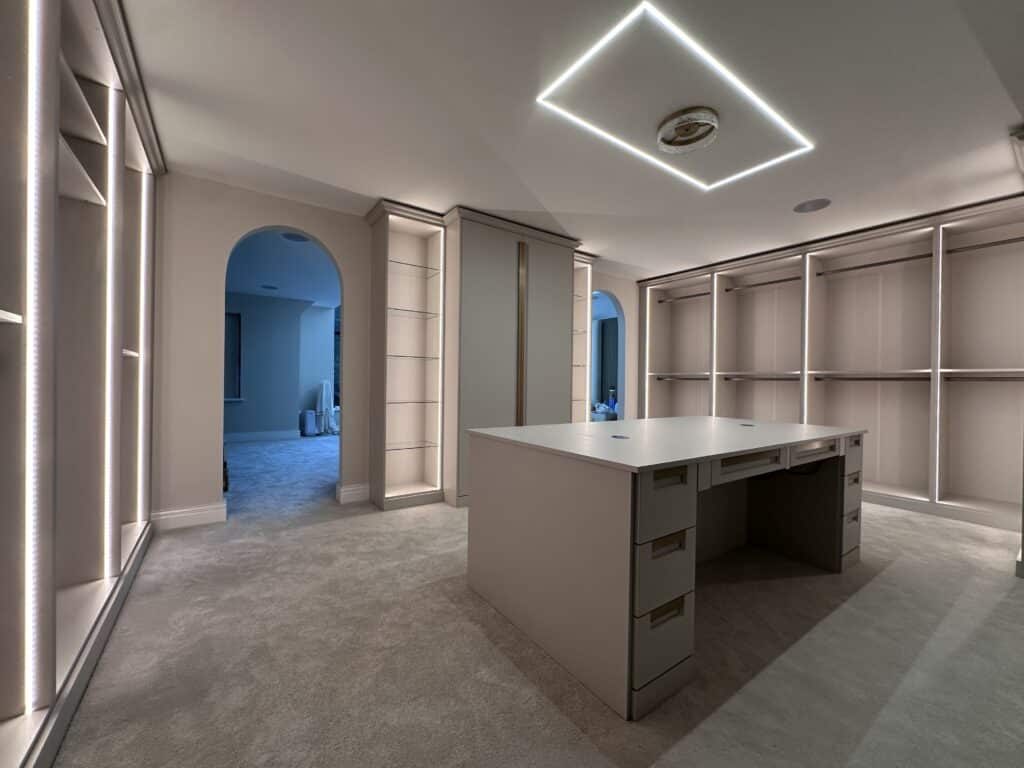
One of the most recent walk-in wardrobes and dressing rooms Keeshak has designed was for TV personality Danielle Lloyd, in her new home. Danielle has shared lots of videos showcasing her fabulous master suite and dressing room on her Instagram @Missdlloyd
One of the biggest misconceptions is that you need a large home to achieve this. In reality, it’s rarely about size and far more about layout. Many homes already have the potential to accommodate a walk-in wardrobe, whether that’s by reworking an awkward corner, introducing a partition within a larger bedroom, or creating a walk-through space that connects seamlessly to an en-suite. When planned properly, even relatively compact spaces can be transformed into something that feels both practical and refined.
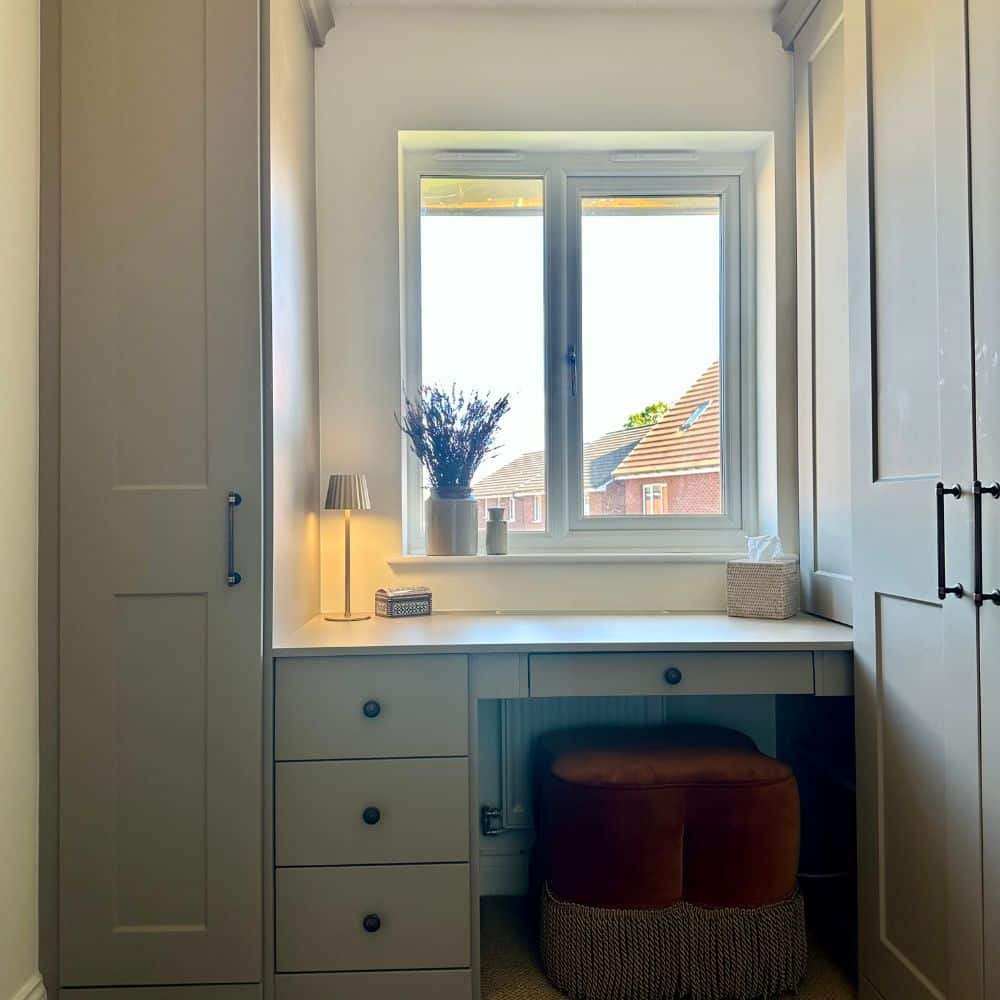
Keeshak notes that this is often where the real opportunity lies. “People tend to underestimate the space they already have. It’s not about adding more, it’s about using it differently. A well-planned layout can completely change how a room functions without needing to extend or compromise elsewhere.”
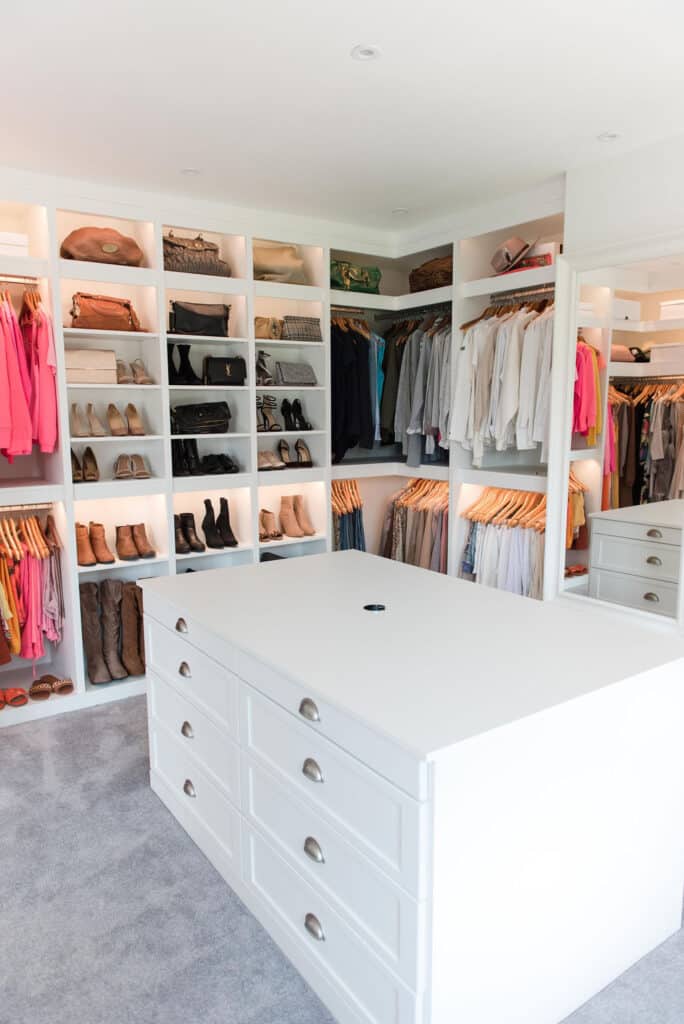
Alongside this, there’s been a clear shift away from wardrobes being purely practical. Dressing spaces are becoming more lifestyle-led, designed not just to store but to enhance how the space feels to use. This is where details begin to matter more. Seating areas, considered lighting and a mix of open and closed storage all contribute to a space that feels more like a dressing room than a traditional wardrobe.
Lighting, in particular, plays a much bigger role than many expect. Rather than relying solely on overhead fixtures, modern designs are incorporating integrated lighting within shelving, along hanging rails and even inside drawers. The effect is subtle but transformative, adding both functionality and a sense of depth.
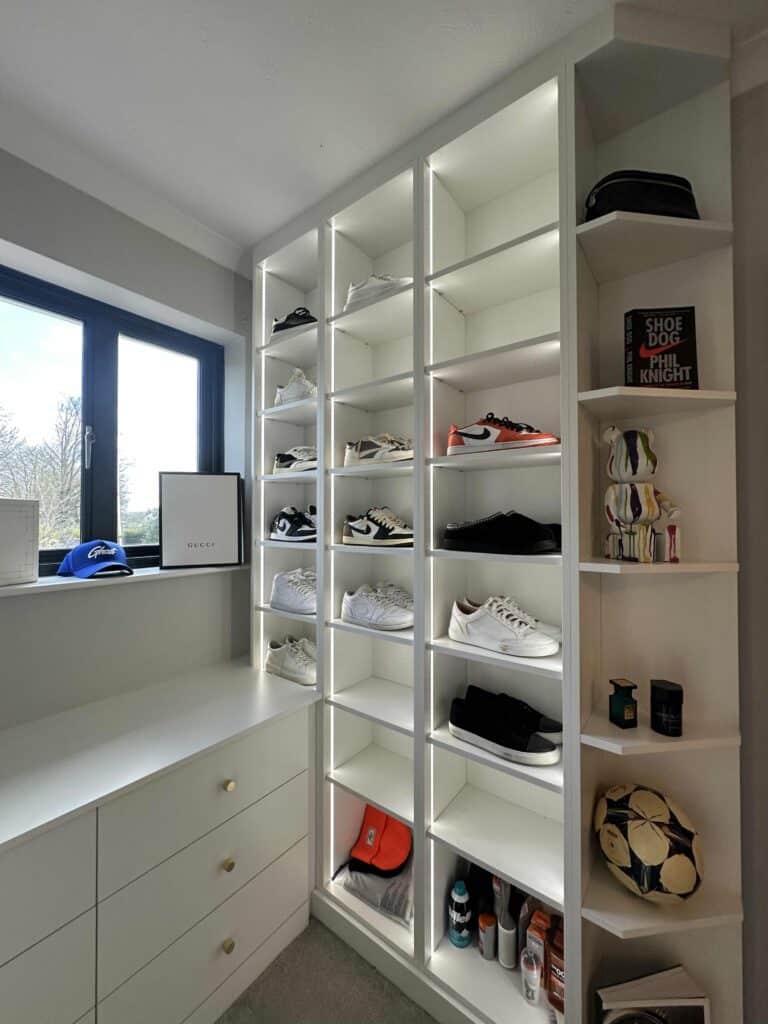
“Good lighting completely changes how a wardrobe feels,” Keeshak explains. “It turns it from something purely functional into something considered and premium. It’s often the detail people notice first.”
There is also a growing influence from high-end hotel design, particularly in the move towards more open wardrobe elements. Displaying selected items, whether that’s shoes, accessories or neatly arranged clothing, adds a more curated feel. That said, in most homes, a fully open wardrobe isn’t practical. The most successful designs tend to strike a balance, combining concealed storage for everyday use with open sections that add visual interest without creating clutter.
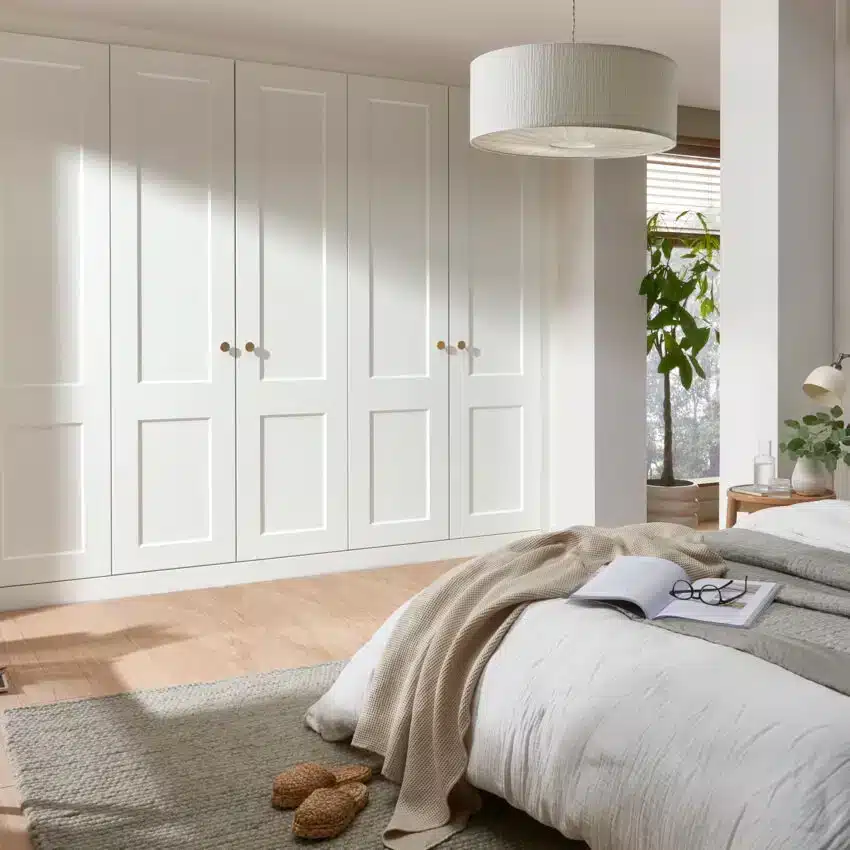
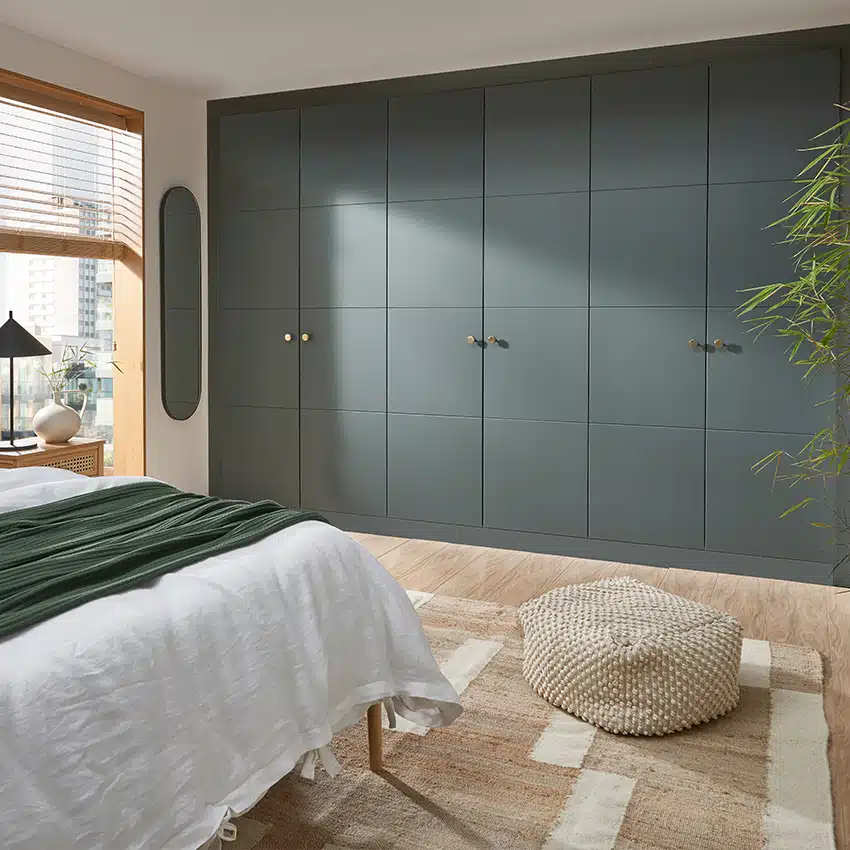
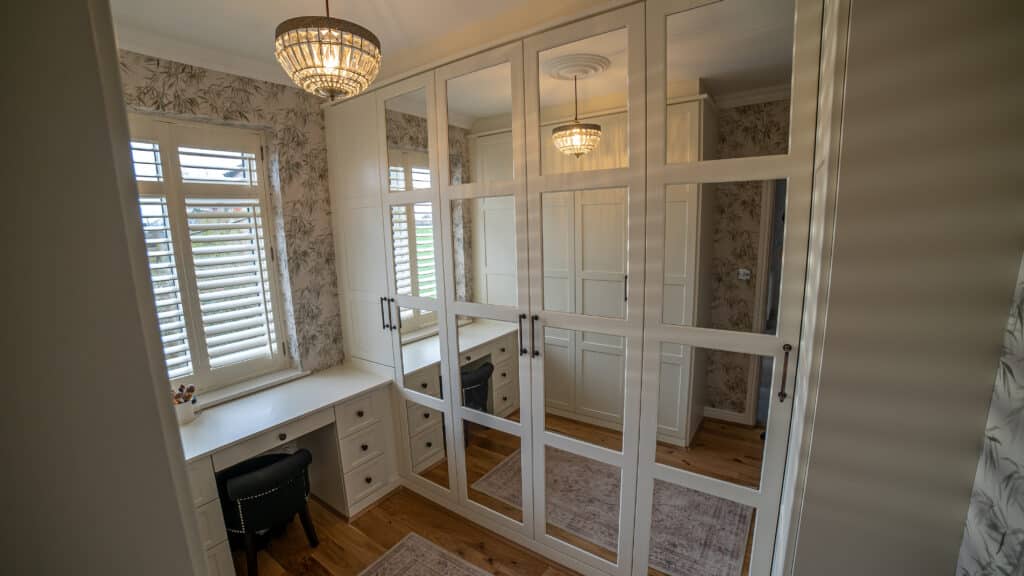
For those who prefer a more minimal look, concealed walk-in wardrobes are becoming increasingly popular. These designs use flush doors and seamless finishes to blend into the surrounding room, often making the wardrobe itself almost invisible. It’s a subtle approach, but one that works particularly well in smaller spaces where maintaining a clean, uninterrupted look can make a room feel significantly larger.
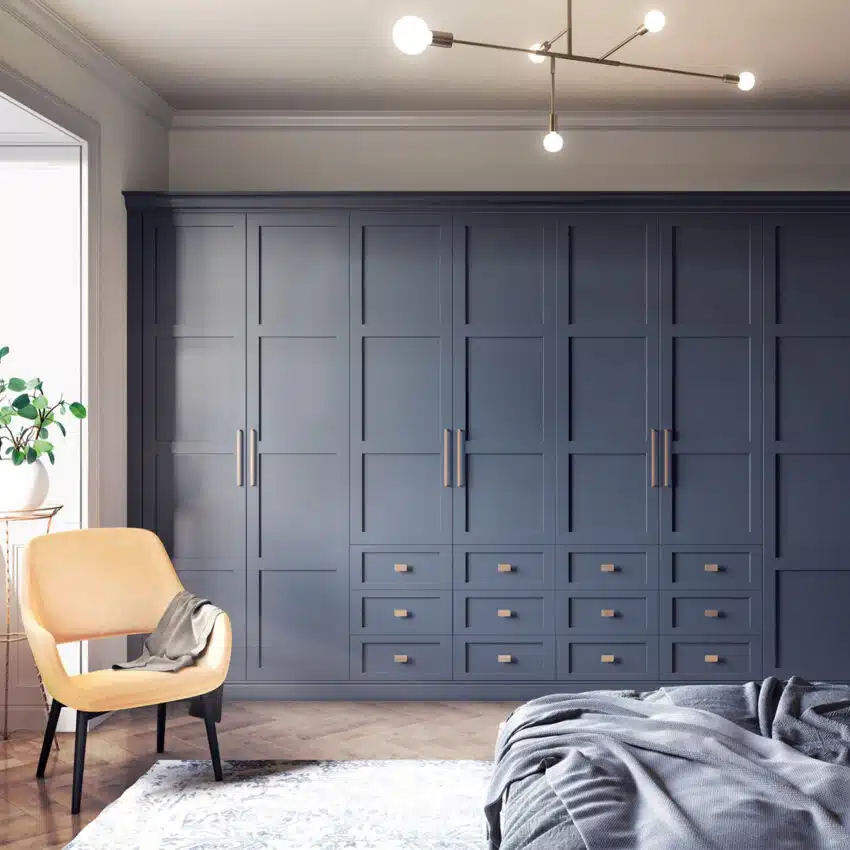
What ultimately defines a successful walk-in wardrobe isn’t just how it looks, but how it works. The most effective designs are intuitive, with storage arranged around how items are actually used. Hanging space is planned properly, drawers are positioned where they’re needed most, and everything is easily accessible. There’s no wasted space and nothing feels like an afterthought.
As Keeshak puts it, “The best designs are the ones you don’t have to think about. Everything is exactly where you expect it to be. That’s what makes it feel effortless.”
That sense of effortlessness is what’s driving the continued rise of walk-in wardrobes and dressing rooms. They’re not about adding excess, but about refining how a space functions. By reducing visual clutter and introducing a more structured layout, they allow bedrooms to feel calmer, more organised and ultimately more enjoyable to use.
And that’s why they’re no longer just a design feature, but a smarter, more considered way of living with space.
You can book a free design visit with us to get a bespoke layout created just for you; we’ll show you how we can transform your home with a walk-in wardrobe or dressing room.